
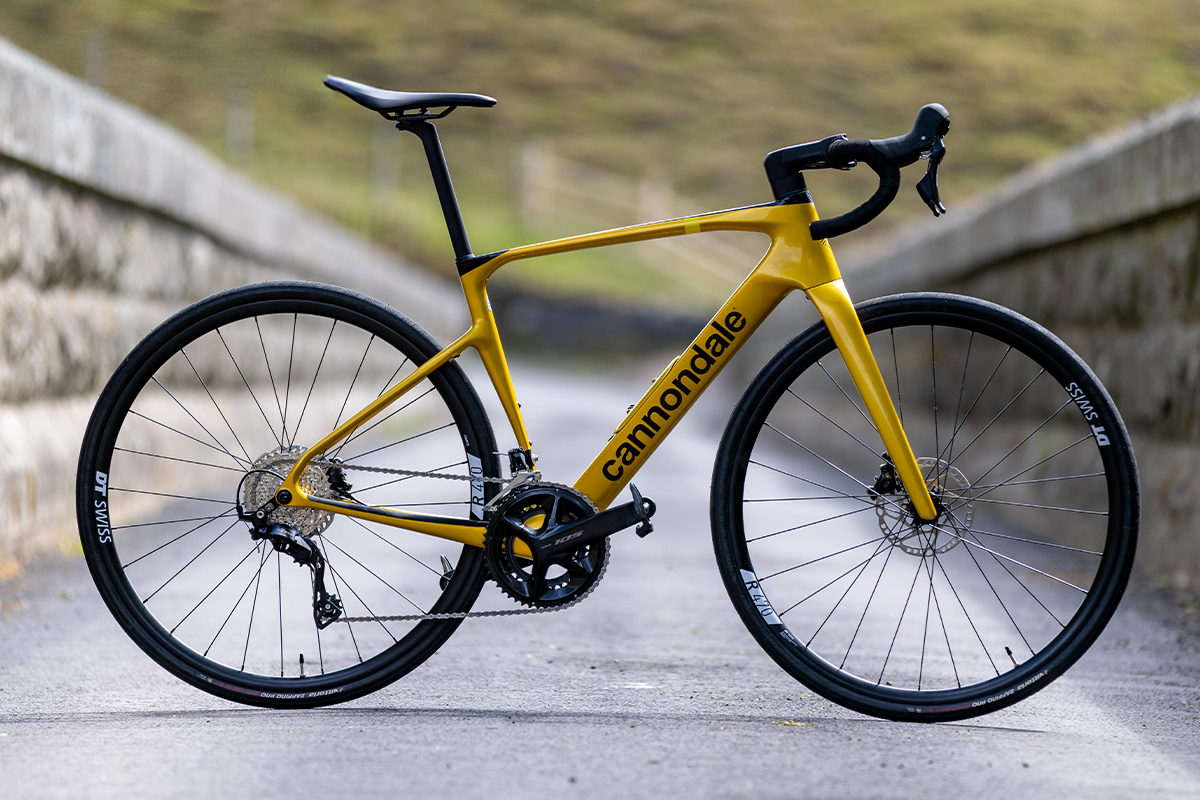
Modern road bikes have evolved to be versatile machines capable of many different styles of riding. Road bikes can be used for racing, long social rides, boosting fitness, commuting to and from work or heading out on mixed-terrain adventures. It’s not unusual to see road bikes split into such sub-categories as ‘race’ ‘aero’ and ‘endurance’ with subtle differences between each to give a different riding experience and performance. All of these road bike sub-categories are, however, defined by some common characteristics, namely drop handlebars, 700c wheels, relatively narrow tyres and lightweight frames. Ultimately a modern road bike is fast, stylish and efficient.
When you’re thinking of buying a road bike you’ll need to identify what type of riding you aim to do and consider factors such as how often you plan to ride and what do you want to spend? Are you planning to start racing on the road and are driven solely by performance? In which case a ROAD RACE bike will be suited to you. Or are you looking to explore further afield and don’t want to be restricted to super-smooth road surfaces? A GRAVEL ROAD BIKE is a great option for mixed terrain riding. Perhaps you want to ride socially, taking on all-day epics with friends or have targeted a cycle sportive event for your first challenge? A ROAD ENDURANCE bike is perfectly suited to this type of riding.
Beginner road bike advice
Starting out on your first road bike in 2026 is far more straightforward than it used to be. Modern entry‑level bikes are lighter, stronger and more comfortable, with technology that was once “pro‑level” now standard at entry level price points.
Here’s what matters when choosing your first road bike today;
Frame materials
Most beginner road bikes still use aluminium frames, but the quality has moved on massively. Current alloy frames are hydroformed, smooth‑welded and engineered to ride much like mid‑range carbon – light, stiff under power and reliably strong.
A carbon fork is now standard even on the most affordable bikes. It cuts weight, improves steering feel and smooths out rough UK roads.
Typical good quality entry level budget in todays market: £900-£1,500 (Prices have risen slightly as disc brakes and better drivetrains have become the norm.)
Groupsets and gearing
Your gears and brakes come from the bike’s groupset. Shimano, SRAM and Campagnolo still dominate, but Shimano remains the most common on entry‑level bikes.
For beginners, expect:
- Shimano Claris, Tiagra and 105 on most alloy road bikes
- 10-11 speed drivetrains as standard
- Smoother shifting and longer‑lasting components compared to older 9‑speed setups
Higher‑tier groupsets mean lighter parts, cleaner cable routing and more precise shifting, but Sora and Tiagra now perform far better than they did a decade ago.
Brakes
Disc brakes have fully filtered down to beginner bikes. Rim brakes still exist, but most new riders choose discs for safety and control.
At this price point you’ll typically see:
- Mechanical (cable) disc brakes – simple, reliable and easy to maintain
- Hydraulic discs appearing on bikes closer to £1,200
Disc brakes offer stronger stopping power, better modulation and consistent performance in wet UK weather.
Wheels and tyres
Entry‑level road bikes come with 700c aluminium wheels – durable, light enough and easy to service.
Tyre widths have changed a lot in recent years:
- 28c tyres are now the default for comfort and grip
- 30-32c options are becoming common for riders who want more stability on rough tarmac or light gravel
- Tubeless‑ready wheels are increasingly appearing even on beginner bikes
Wider tyres make a huge difference to comfort and confidence, especially on typical British roads.
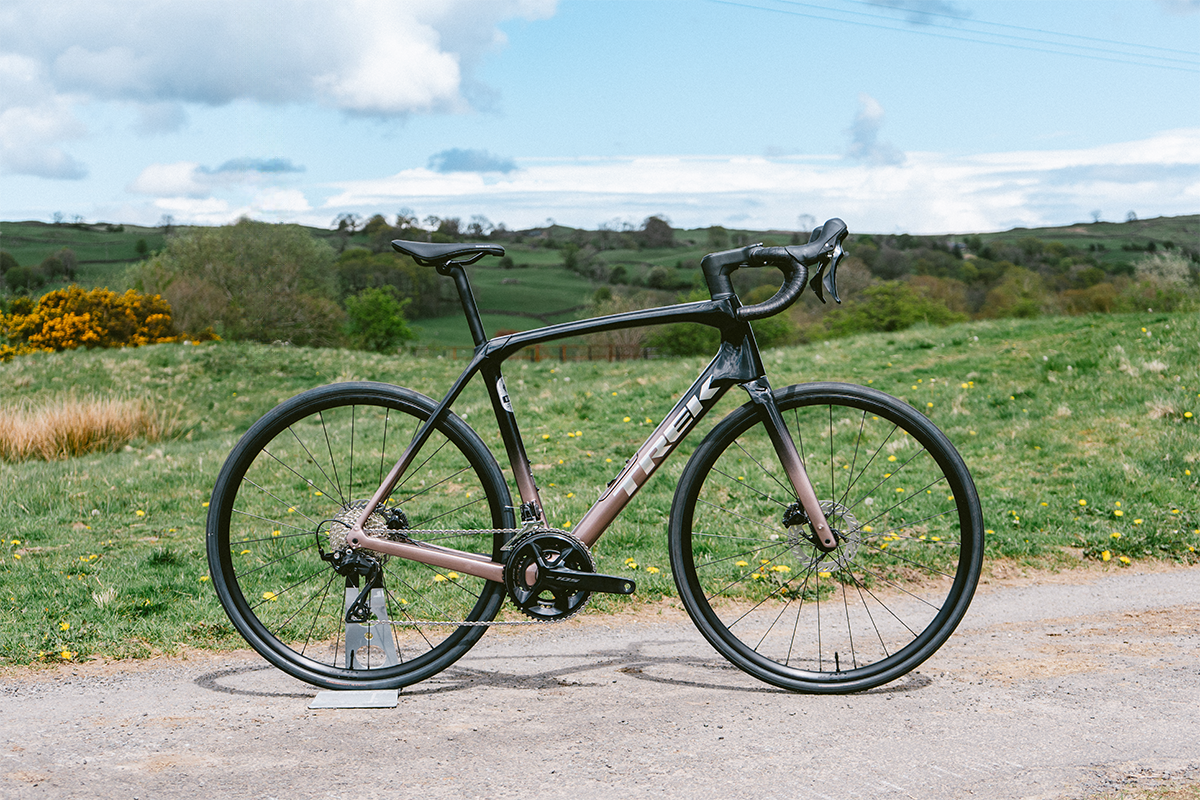
For entry level bikes, or if you’re trying to keep the cost down, we would recommend the Cube Attain SLX, the Scott Speedster 20 and the Merida Scultura Endurance
Road Race Bikes
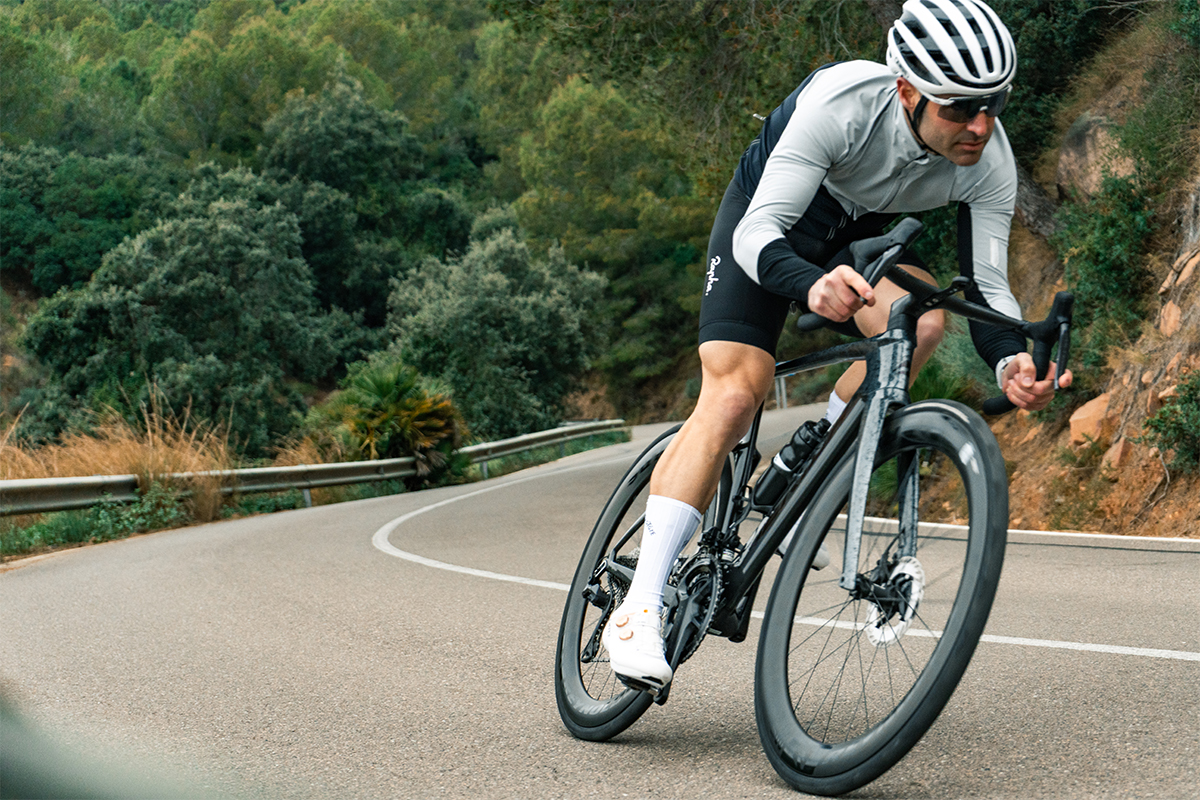
Road race bikes are the most performance‑driven machines in cycling. These are the bikes you see riders racing in the WorldTour – ultra‑light, aero‑shaped and built for pure speed. Even the entry‑level versions sit at a higher price point because the technology, materials and engineering are far more advanced than beginner road bikes.
Purpose and geometry
Race bikes are designed to go fast, full stop. They use aggressive geometry that puts the rider low and stretched out to reduce drag and maximise power transfer. Expect:
- Short head tubes for a low front end
- Longer top tubes for a flat‑back riding position
- Steeper seat tube and head tube angles for sharp, reactive handling
This geometry rewards experienced riders who want s
peed, precision and efficiency.
Frame materials and aerodynamics
Carbon fibre is the standard for road race bikes. Brands use high‑modulus carbon layups to create frames that are incredibly light, stiff under power and strong enough for pro‑level racing. Carbon also allows complex shaping, so modern race bikes feature:
- Deep, narrow tube profiles
- Hidden cable routing
- Aero seatposts and integrated cockpits
- Optimised airflow around the frame and wheels
Aero race bikes like the CUBE Litening and Cervélo S5 are built to maintain high speeds on flat and rolling terrain, cutting through the wind with minimal effort.
Lightweight climbers
For riders tackling steep climbs or long days in the hills, lightweight race bikes offer a different kind of performance. These frames prioritise low weight and stiffness over deep aero shaping, making them ideal for mountainous terrain. Popular examples include:
These bikes deliver fast acceleration, crisp handling and efficient climbing without sacrificing the stiffness needed for sprinting or hard efforts but they do come with a higher price tag.
Road Endurance Bikes
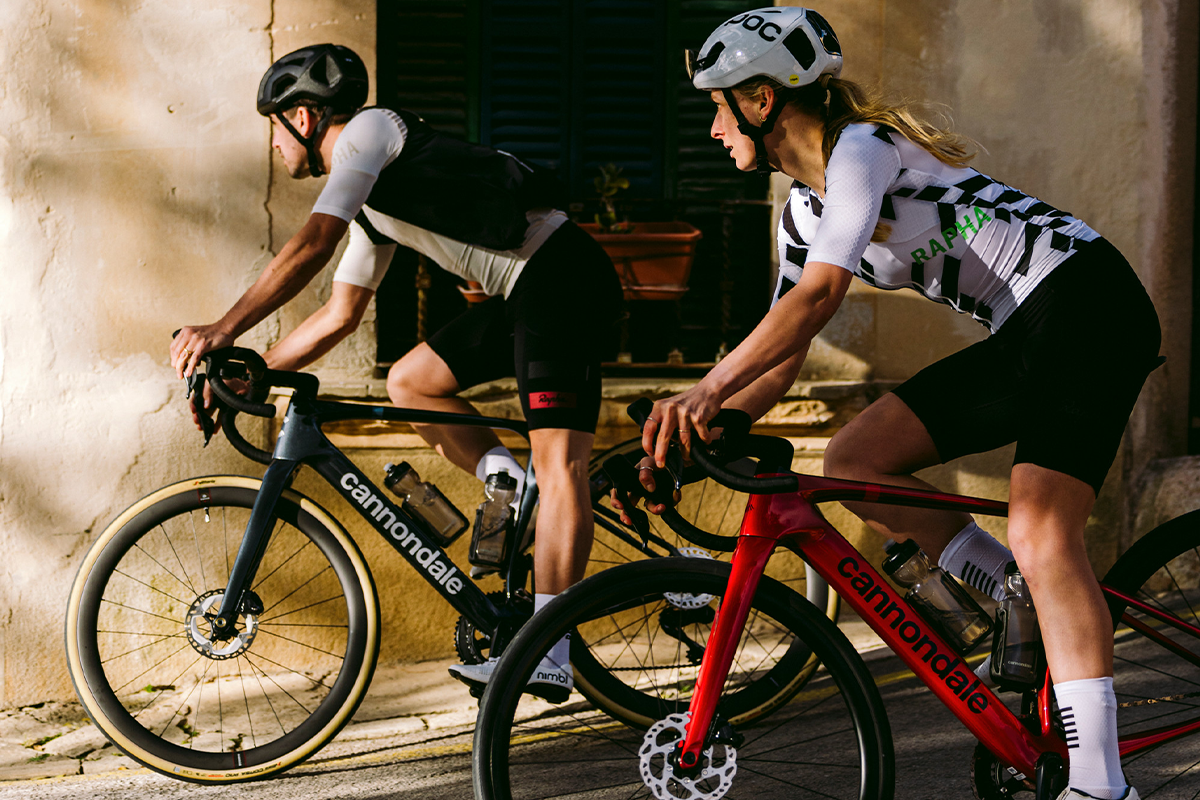
Endurance road bikes are built for real‑world riding – long days out, rough tarmac, unpredictable weather and big mileage. They’re the type of bike we should all be riding. They blend the speed of a traditional road bike with comfort‑focused engineering, giving you a fast, stable and forgiving ride that keeps fatigue low on all‑day adventures. If you want a bike that can handle UK roads, big climbs and long weekends in the saddle, this is the category to look at.
Geometry and ride position
Endurance bikes use a more relaxed geometry than race bikes. This creates a stable, confidence‑boosting ride without sacrificing efficiency. Expect:
- Longer head tubes for a higher, more upright front end
- Shorter top tubes for a compact, comfortable reach
- Slightly slacker fork and head tube angles for smoother, predictable handling
- Lower bottom brackets for stability on rough surfaces
This geometry reduces strain on the neck, shoulders and lower back, helping you stay comfortable for hours.
Comfort‑enhancing frame design
Modern endurance bikes use carbon or high‑grade aluminium, but the defining feature is how the frame manages vibration. In 2026, most endurance bikes include:
- Built‑in compliance zones in the seatstays, fork and seatpost
- Dropped seatstays to soften road buzz
- Wider tyre clearance (usually 32–35c, sometimes up to 38c)
- Fully integrated cable routing for clean looks and reduced maintenance
Models like the Cannondale Synapse, Trek Domane and Scott Addict are designed around real‑world comfort, with clever frame shaping and materials that smooth out rough roads without feeling sluggish.
Disc brakes and wider tyres
Disc brakes are standard across all endurance bikes in 2026. They offer:
- Strong, predictable braking in all weather
- Better modulation on long descents
- Less hand fatigue on endurance rides
Wider tyres are now a defining feature of the category. Most endurance bikes ship with 28–32c tyres, with many riders choosing tubeless setups for extra comfort, grip and puncture protection.
Gearing for varied terrain
Endurance bikes are built to handle steep climbs and rolling terrain without forcing you out of the saddle. Typical gearing includes:
- Compact 50/34 chainsets
- Wide‑range 11–34 or 11–36 cassettes
- Increasing availability of 12‑speed Shimano and SRAM options at mid‑range price points
This gearing lets you spin comfortably on long climbs, stay seated for longer and maintain a smooth cadence on challenging terrain.
Who endurance bikes suit
Endurance road bikes are ideal for riders who:
- Want comfort without losing speed
- Ride long distances or multi‑hour weekend loops
- Prefer stable handling over twitchy race‑bike responsiveness
- Tackle mixed road surfaces, rough tarmac or light gravel
- Want a bike that’s fast, versatile and confidence‑inspiring
They’re the most versatile road bikes available today – perfect for sportive riders, long‑distance cyclists and anyone who values comfort and stability.
Gravel Road Bikes
Shop Adventure Gravel | Shop Race Gravel
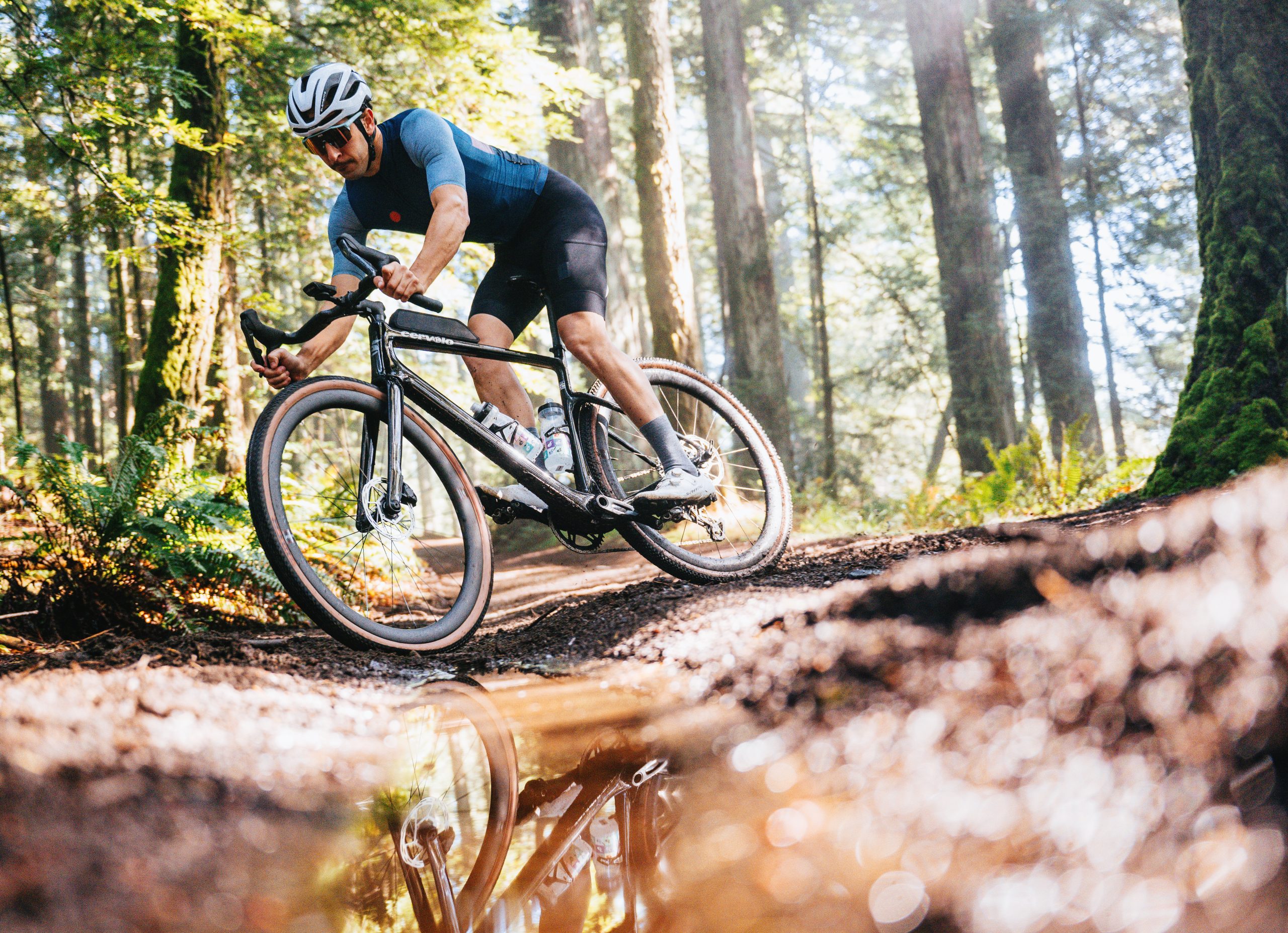
Gravel bikes are the go‑to choice for riders who want freedom on their weekend laps and a dependable commuter during the week. They’re built for mixed terrain, with stable geometry, disc brakes and clearance for wide, grippy tyres that handle rough lanes, bridleways and forest tracks with ease. Models like the Merida Silex, Cannondale Topstone and Cervélo Áspero balance comfort with speed, making them ideal for long rides, winter training and daily commuting. Many gravel frames include rack mounts and multiple bolt‑on points for bags, so they’re ready for bikepacking or carrying kit to work. And for riders who want more pace, the new generation of gravel race bikes – including the Merida Mission, Cervélo Áspero‑5 and Trek Checkmate – deliver road‑race speed with extra tyre clearance and improved comfort for fast off‑road events like The Traka, Unbound and The Gralloch.
If you’d like any further advice on the huge range of road bikes available then just give us a call on 01539 821443 or email info@wheelbase.co.uk
Wheelbase is the UK’s leading independent bike store, trusted by riders for over two decades. Our team are real cyclists with deep product knowledge, honest advice and a focus on long‑term support. Every bike is built and safety‑checked by trained mechanics, with genuine stock availability and fast delivery options. Whether you’re buying your first road bike or upgrading to something special, customers choose Wheelbase because we’re rider‑first, transparent and committed to helping you get the right bike for the riding you actually do.