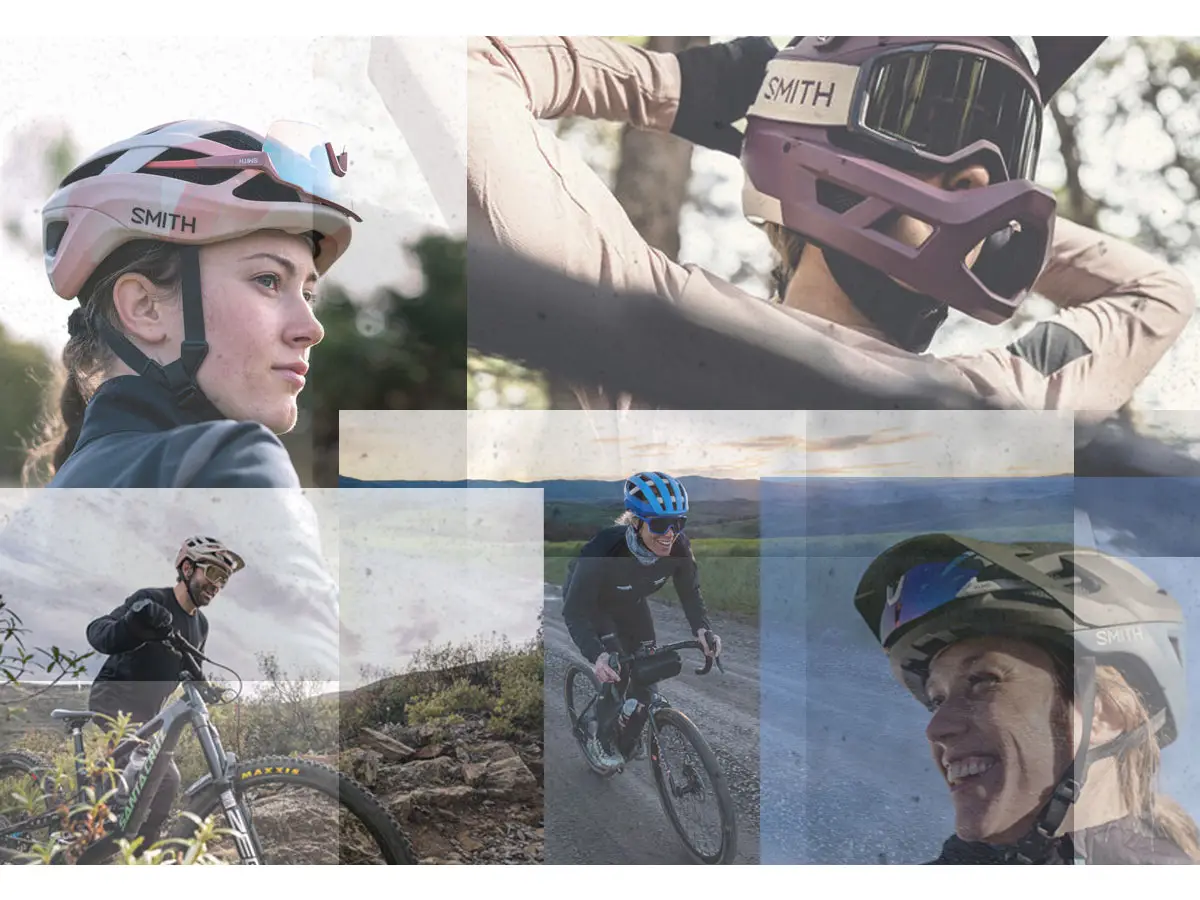
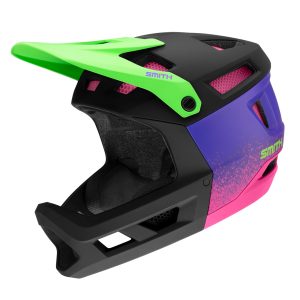
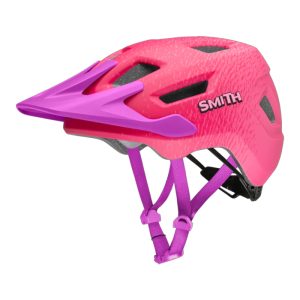
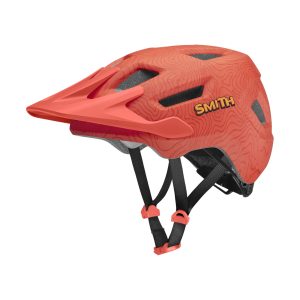
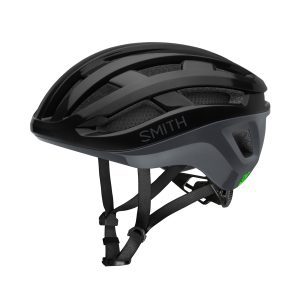
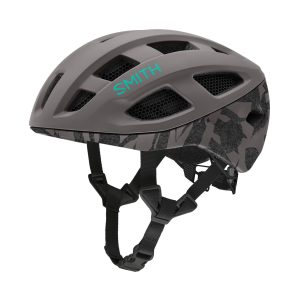
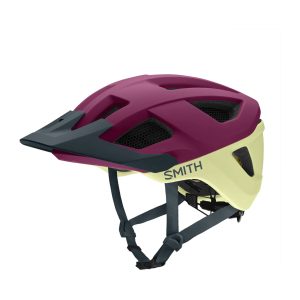
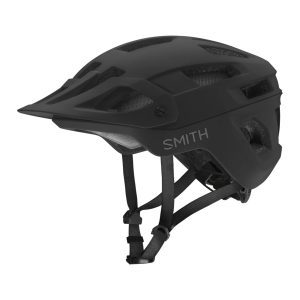
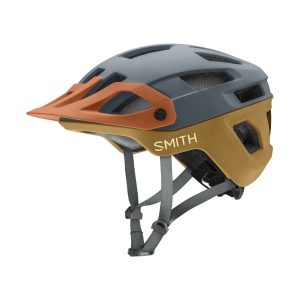
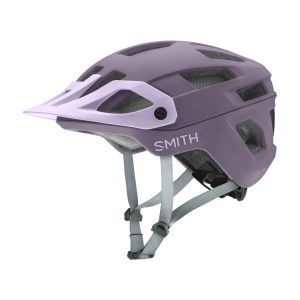
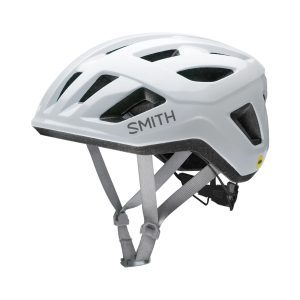
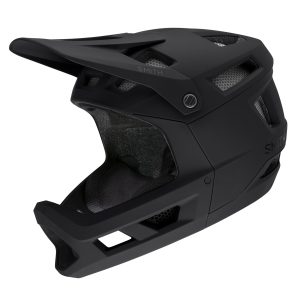
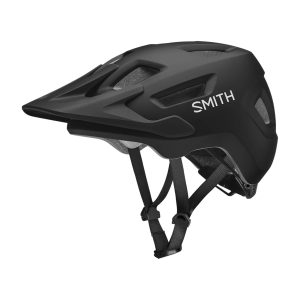
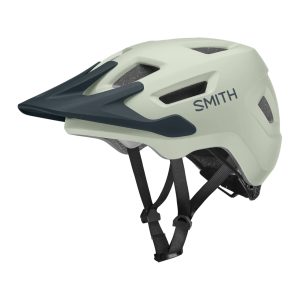
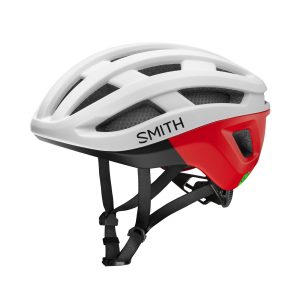
Smith helmets combine innovation, protection and performance, trusted by riders across the world for their advanced safety and premium design. Founded in 1965 in Sun Valley, Idaho, Smith began by creating the world’s first snow goggle with a sealed thermal lens and breathable vent foam – a revolutionary moment that set the tone for decades of innovation in sports protection. Today, Smith is recognised globally for its leading helmet and eyewear technology, delivering cutting-edge safety features and all-day comfort for mountain, gravel and road cyclists alike.
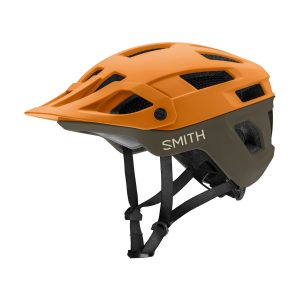
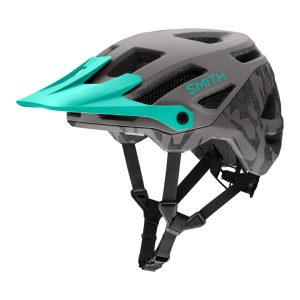
At Wheelbase, the Smith helmet range covers every rider and every terrain. For mountain bikers, models such as the Smith Mainline, Payroll and Engage deliver uncompromising performance on technical trails and enduro descents. The Mainline is a full-face MTB helmet built for downhill and enduro racing, offering MIPS® and Koroyd® impact protection for maximum safety without sacrificing ventilation. The Payroll brings a sleek, open-face design for aggressive trail riders who demand lightweight coverage and airflow on long climbs. The Engage rounds out the lineup with an accessible, trail-ready helmet that balances comfort, fit and protection, ideal for riders tackling mixed terrain or progressing their off-road skills.
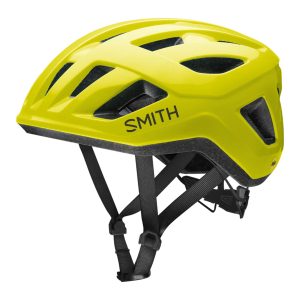
For road and gravel cyclists, Smith’s Network, Persist and Triad helmets are designed for speed, comfort and versatility. The Network combines aerodynamics and ventilation with a modern design that suits endurance rides, fast commutes and sportive events. The Persist delivers premium safety and clean aesthetics at a more accessible price, perfect for riders who want Smith’s renowned protection and fit without compromise. The Triad, blending road speed and gravel durability, is built for performance beyond tarmac – ideal for mixed-surface adventures where ventilation, stability and style are key.
Smith’s global reputation is built on constant innovation and rider-focused engineering. Their signature Koroyd® energy-absorbing layer improves impact protection and ventilation, while MIPS® technology reduces rotational forces during crashes – both essential in keeping riders safer on every ride. Every helmet is developed with input from professional athletes, ensuring that the technology used at the highest level benefits everyday riders too.
Known for their clean design, advanced protection systems and reliable comfort, Smith helmets have become a benchmark for cyclists who want more than just safety. They offer a perfect balance between performance, style and function – a combination that makes them one of the most desirable helmet brands worldwide. Whether racing enduro stages, taking on alpine passes, or exploring gravel backroads, Smith helmets give riders the confidence to focus on what matters most: the ride.
At Wheelbase, cyclists can explore the full range of Smith helmets, from trail-proven mountain models like the Mainline, Payroll and Engage to road and gravel favourites such as the Network, Persist and Triad. Every helmet delivers Smith’s signature blend of advanced protection, premium comfort and timeless design – trusted by riders everywhere.
Koroyd vs. MIPS: Understanding SMITH’s Approach to Modern Helmet Safety
Helmet technology has evolved dramatically over the last decade, and today’s riders expect more than just a hard shell and some foam. Two of the most influential innovations in modern helmet design are Koroyd and MIPS, and SMITH is one of the few brands that integrates both systems across its bike and snow helmet range.
But what does each technology actually do—and how do they work together to keep you safer on the trail or the road? Let’s break it down.
Koroyd: Protection Built for Real‑World Impacts
Koroyd is instantly recognisable: a honeycomb‑like structure made from thousands of thin, welded tubes. It’s not just a visual signature—it’s a completely different approach to impact absorption.
Crumple‑Zone Technology
Unlike traditional EPS foam, which compresses unevenly, Koroyd’s tubes crumple instantly and consistently on impact. This creates controlled “crumple zones” that absorb more energy and reduce the force transferred to your head. The result is smoother, more predictable impact management during real‑world crashes.
Lightweight by Design
Koroyd is 95% air, thanks to the world’s thinnest‑walled tubes. That means helmets can offer high‑level protection without adding bulk or weight—ideal for long days on the bike or big mountain missions.
Superior Ventilation
Because Koroyd is made of open‑cell tubes, air flows straight through the structure, allowing heat to escape more efficiently than traditional foam. Riders get better cooling without sacrificing safety.
Complete vs. Zonal Protection
SMITH uses Koroyd in two ways:
- Complete Koroyd: full‑coverage protection throughout the helmet
- Zonal Koroyd: strategically placed panels in high‑impact areas
Both approaches enhance safety, but complete coverage offers the most uniform energy absorption.
MIPS: Reducing Rotational Forces
While Koroyd focuses on absorbing linear impact energy, MIPS (Multi‑Directional Impact Protection System) addresses a different problem: rotational forces.
In many crashes, your head hits the ground at an angle, causing the helmet to rotate. This can create twisting forces on the brain—forces that traditional helmets weren’t designed to manage.
MIPS adds a low‑friction slip layer inside the helmet that allows a small amount of movement between your head and the shell. This helps redirect rotational energy away from the brain during angled impacts.
What MIPS Does Well
- Reduces rotational forces
- Works alongside existing helmet materials
- Adds minimal weight
- Proven across a wide range of impact scenarios
Koroyd vs. MIPS: Do You Need Both?
The short answer: they do different jobs, and together they offer more complete protection.
Koroyd excels at:
- Absorbing linear impact energy
- Creating controlled crumple zones
- Reducing peak forces
- Improving airflow and reducing weight
MIPS excels at:
- Managing rotational forces
- Protecting during angled impacts
- Adding an extra layer of safety without bulk
Why SMITH Uses Both
SMITH integrates Koroyd and MIPS because real‑world crashes are unpredictable. You might hit the ground straight on, at an angle, or somewhere in between. Combining both systems means the helmet can respond to a wider range of impact types.
It’s not Koroyd versus MIPS—it’s Koroyd and MIPS working together.
The Bottom Line: A Smarter Approach to Helmet Safety
SMITH’s use of Koroyd and MIPS reflects a modern understanding of how crashes actually happen. Koroyd provides lightweight, breathable, high‑energy absorption, while MIPS adds rotational protection that traditional materials can’t offer alone.
Together, they create a helmet that’s cooler, lighter, and better equipped to protect you in the moments that matter most.