The History of CamelBak – Born from Innovation, Built for Adventure
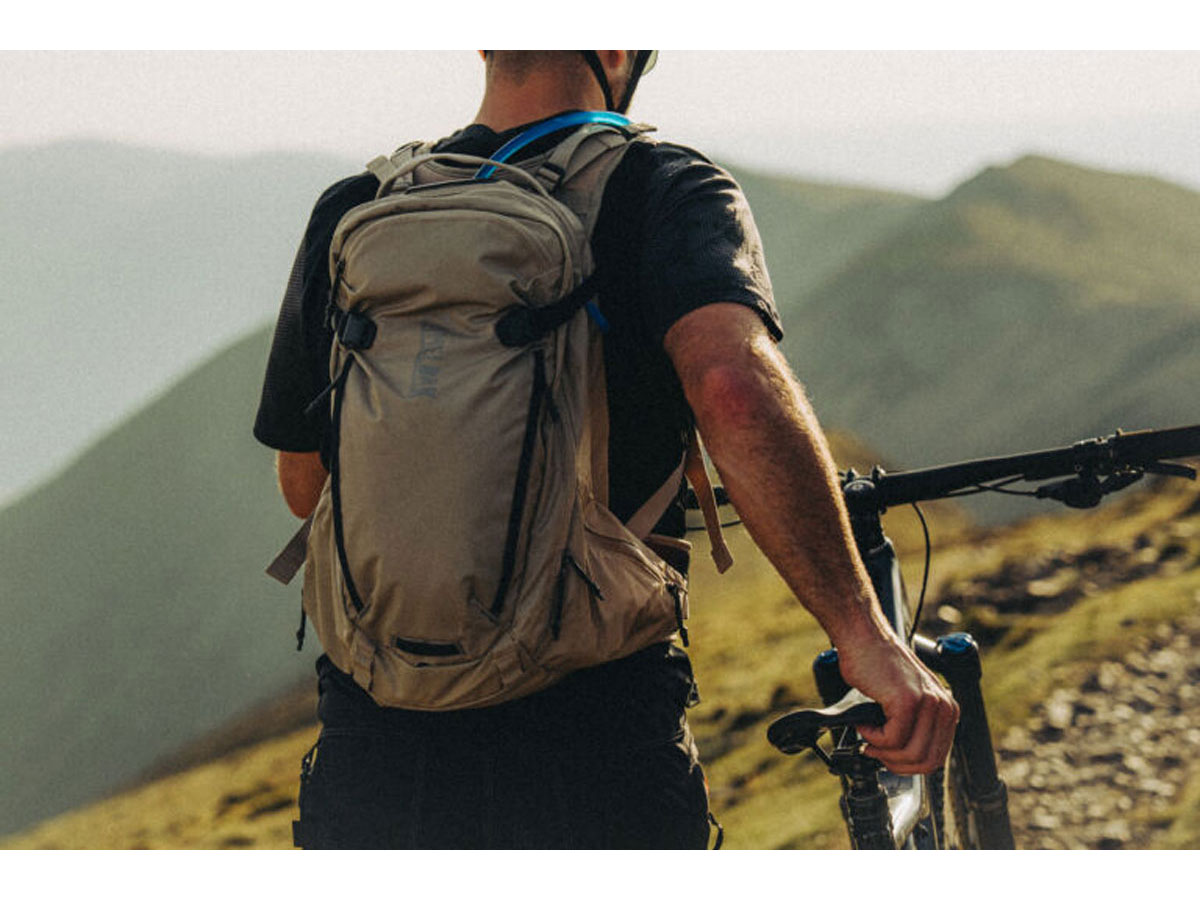
CamelBak began in 1989 with a simple but revolutionary idea: hands-free hydration. The brand’s founder, Michael Eidson, was competing in a gruelling Texas bike race and needed a way to stay hydrated without constantly reaching for a water bottle. His solution? A makeshift system using an IV bag filled with water, stuffed into a sock and tucked into his jersey — with a hose clipped to his shoulder for easy sipping. It looked odd, but it worked, and the concept of the hydration pack was born.
From that moment, CamelBak has grown into the global leader in hydration solutions, constantly innovating and refining their products for performance and convenience. Initially embraced by mountain bikers and endurance athletes, their gear quickly gained popularity across the outdoor world, including with hikers, runners, military personnel and everyday adventurers.
CamelBak’s commitment to performance, sustainability, and ergonomic design has made them a staple brand in the cycling world. Whether you’re on a short training loop or a multi-day bikepacking trip, their products are designed to help you stay hydrated and carry the essentials without slowing you down. With over three decades of innovation, CamelBak remains one of the most trusted names in outdoor gear — and a perfect choice for any cyclist.
Why CamelBak Stands Out in Hydration
-
Original category creator: CamelBak essentially invented the modern hydration‑pack segment, demonstrating hands‑free drinking on the move.
-
Trusted by athletes and outdoor users: Their products are engineered for demanding use—cycling, endurance running, hiking and more.
-
Focused on quality and material safety: Their bottles ensure BPA‑free construction, durable materials, easy‑clean design and leak control.
-
Broad product range for multiple use‑cases: Whether it’s a commuter bottle, a bike‑riding hydration pack or a compact running vest, CamelBak addresses many user needs.
-
Sustainability and reuse: Emphasis on reusable bottles, high‑durability gear, and reducing disposable plastic usage.