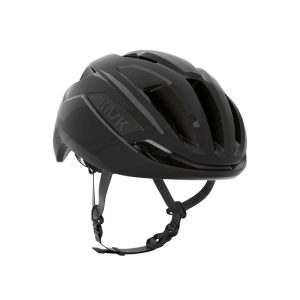
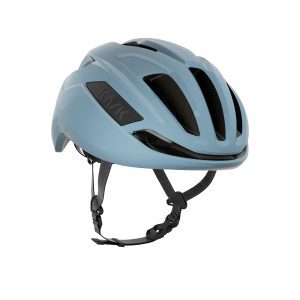
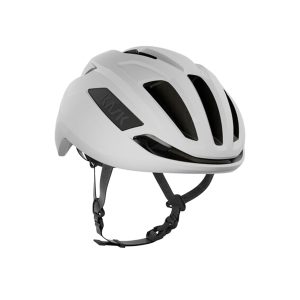
Kask WG11 Impact Protection
Kask created the Rotational Impact WG11 Test to raise helmet safety beyond international standards. It is an independent, scientifically driven testing protocol designed to measure how a helmet performs during rotational impacts, which are a major cause of concussions. WG11 is an invisible layer of protection built into every Kask helmet, giving riders confidence on every ride.
Why WG11 Matters
Traditional helmet standards focus mainly on linear impacts. Rotational forces, however, can be just as dangerous. Kask developed the WG11 protocol to address this gap and to challenge the industry to adopt higher safety expectations. With extensive research and lab testing, Kask ensures that every helmet meets strict performance criteria that go far beyond current global standards.
Moving Towards a Standard
Rotational impact testing is not yet included in formal global standards for cycling, industrial, equestrian, snow sport or climbing helmets. Only recently has the European Union updated the motorcycle helmet standard ECE 22.06 to include rotational impact testing. The Kask Rotational Impact WG11 Test is grounded in the same scientific principles used in this updated motorcycle standard.
Every Kask Helmet Is Tested
Since 2019, every Kask helmet has been tested using the WG11 protocol. All helmets achieve BrIC values below 0.39, far better than the Kask pass or fail threshold of 0.68. A lower BrIC value indicates a lower risk of concussion.
How the WG11 Test Works
- Headform: EN960 with friction coefficient 0.3
- Drop speed: 4.5 meters per second
- Anvil: 45 degree shaped anvil
- Anvil coating: 80 grit oxide abrasive
- Accelerometer: wireless triaxle measuring X, Y and Z axis
- Pass or fail: BrIC value less than 0.68
Drop Test
A helmeted headform is dropped from height to reach an impact velocity of 4.5 meters per second. The angled anvil and abrasive surface simulate a real world crash where the head rotates on impact.
Testing Conditions
The 45 degree anvil coated with 80 grit oxide sandpaper creates a realistic rotational impact scenario. This setup allows the test to measure how well the helmet manages rotational forces.
The Headform
The EN960 headform is used because it is specified in the ECE 22.06 standard and is considered one of the most accurate representations of human head and neck behaviour during impact.
BrIC Value Explained
The BrIC value is a measurement of rotational injury risk. Kask sets a strict pass or fail threshold of less than 0.68. All Kask helmets tested since 2019 have achieved BrIC values below 0.39, offering a significantly lower risk of concussion.
Committed to Performance
The Kask Rotational Impact WG11 Test ensures that every rider benefits from advanced protection. Kask continues to push safety performance forward, combining scientific research, innovative materials and rigorous testing to help riders get home safely.
Absolutely, Simon — here is a clean, ASCII‑only section you can drop straight into your WG11 page. No curly quotes, no en dashes, no hidden characters. Formatted with H3, since it is a subsection.
How WG11 Compares to MIPS
WG11 and MIPS share the same goal: reducing the rotational forces that can cause concussions during a crash. Both approaches recognise that real world impacts involve rotation as well as direct linear force, and both systems are designed to manage that rotational energy before it reaches the brain.
The difference is in how the protection is achieved. MIPS uses a low friction slip layer inside the helmet that allows a small amount of movement between the head and the outer shell during an angled impact. This controlled movement helps redirect rotational energy.
WG11 takes a different approach. Instead of adding a slip layer, Kask tests the entire helmet using a rotational impact protocol based on the ECE 22.06 motorcycle standard. The focus is on how the helmet structure, padding and materials behave together under rotational load. Technologies such as Multipod and Fluid Carbon 12 are engineered to manage both linear and rotational forces without adding extra layers or altering the fit.
In simple terms, both systems aim to reduce rotational injury risk, but they do it in different ways. MIPS adds a mechanical slip plane, while WG11 evaluates and optimises the helmet as a complete system to achieve low BrIC values. The result is the same objective: improved protection and reduced concussion risk for the rider.
Kask Cycling Helmets
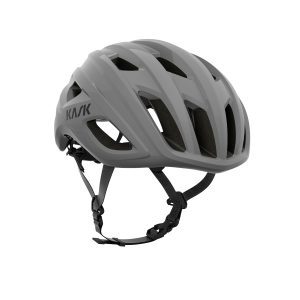
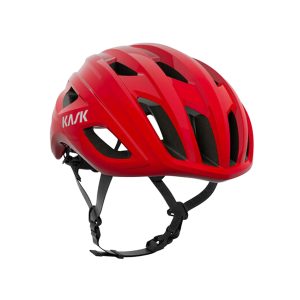
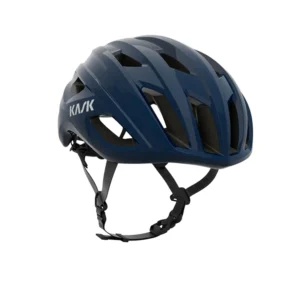
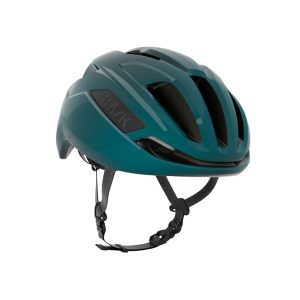
Kask is one of the most recognised names in road bike helmets, trusted by riders who want the perfect balance of safety, comfort and Italian design. Since 2004, the brand has been developing high performance cycling helmets for road, gravel and mixed‑terrain riding, combining advanced protection with lightweight, breathable construction.
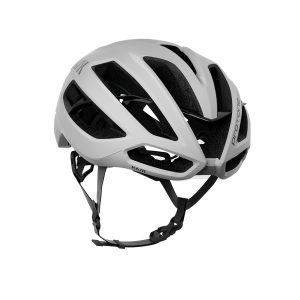
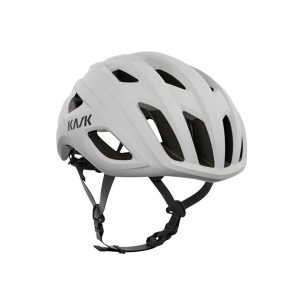
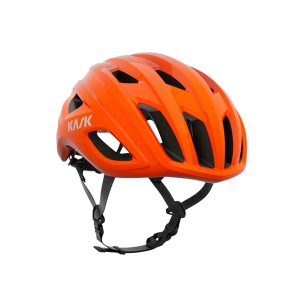
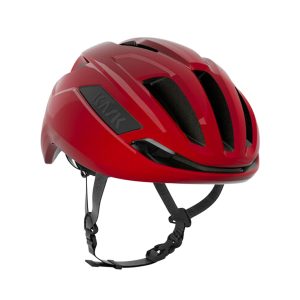
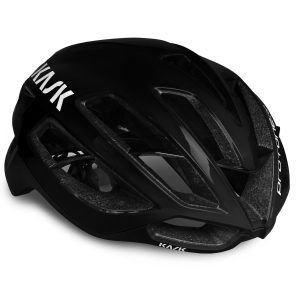
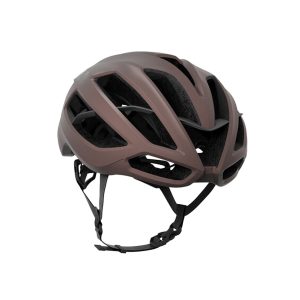
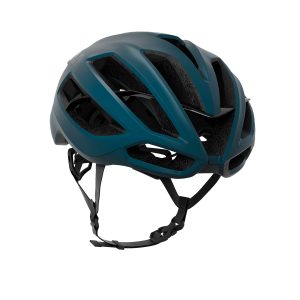
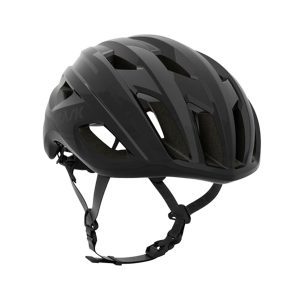
From the versatile Sintesi to the hugely popular Kask Mojito 3 and the aerodynamic Protone Icon, the Kask range covers everything from everyday training to elite‑level racing. Each helmet is engineered to deliver excellent ventilation, a secure fit and confidence‑inspiring protection, making Kask a leading choice for cyclists at every level.
Innovation sits at the heart of every Kask helmet. Technologies such as Fluid Carbon 12, Multipod padding and the WG11 rotational impact protocol are used across the range to improve safety and reduce energy transfer during impacts. These features ensure that Kask road bike helmets perform in real‑world conditions, not just in the lab.
Every helmet is developed and produced in Italy under the Kask CSD Project, which focuses on comfort, safety and design. This commitment to craftsmanship and performance has made Kask helmets a favourite among professional teams and everyday riders alike. Whether you are upgrading to a Kask Mojito 3, stepping into the Protone Icon or choosing your first high‑quality cycling helmet, Kask delivers premium protection with unmistakable Italian style.