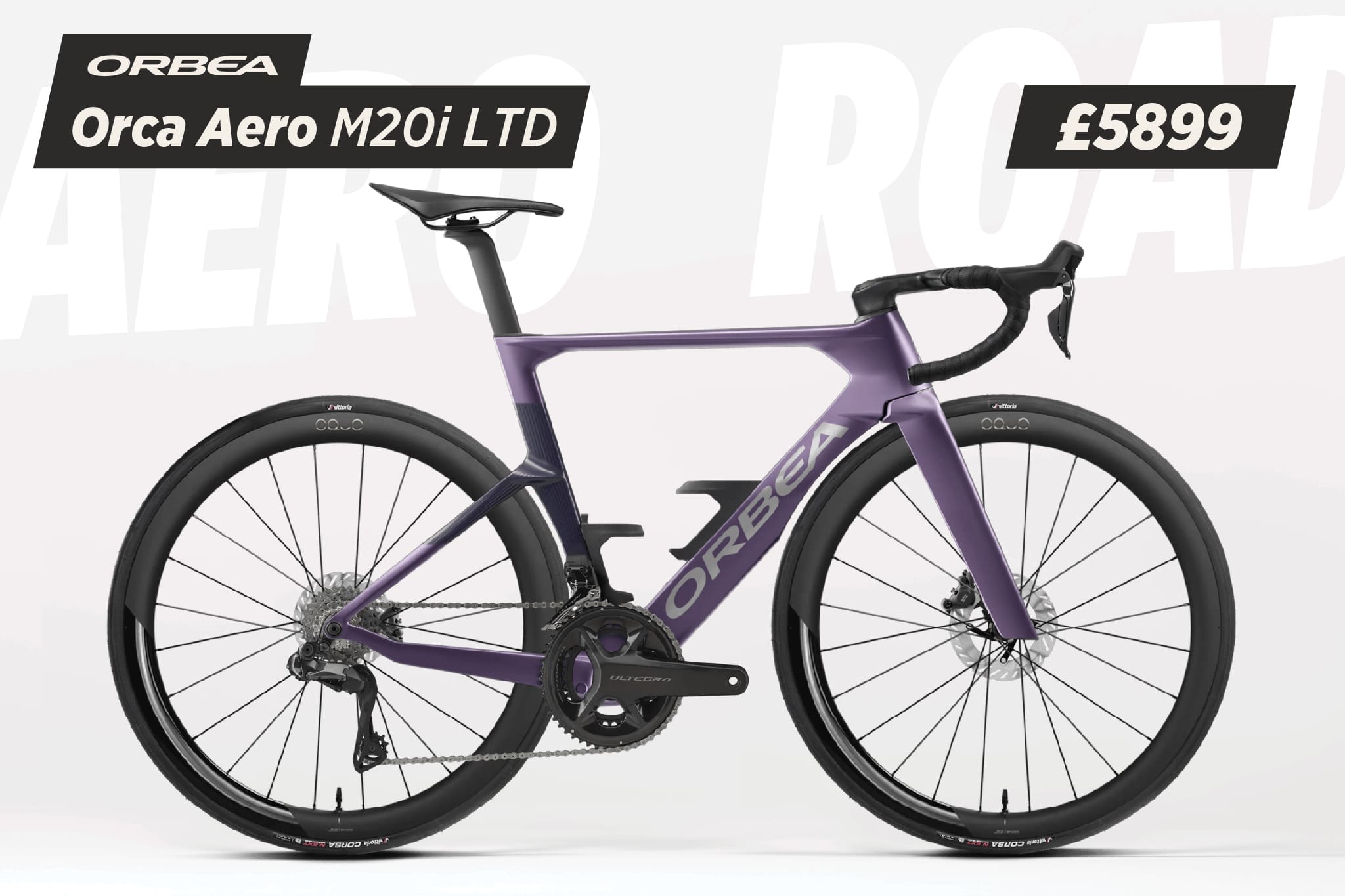
A 360° Approach to Aerodynamics.
Watch our first ride impressions video.
Orbea Orca Q&A Session
Dominic Bond, UK Marketing Manager at Orbea recently called into Wheelbase HQ with a beautiful new Orca Aero road bike. Launched earlier this year just ahead of the Tour De France it was hailed as an aero road bike designed to be fastest in real-world settings rather than in the wind tunnel like most other aero road bikes. Dom very kindly left the bike with me so that I could find out for myself just how the bike handled on the local and somewhat unpredictable roads of the South Lakes, but before I headed out we had the chance for a quick Q&A session on the all-new Orbea Orca Aero.
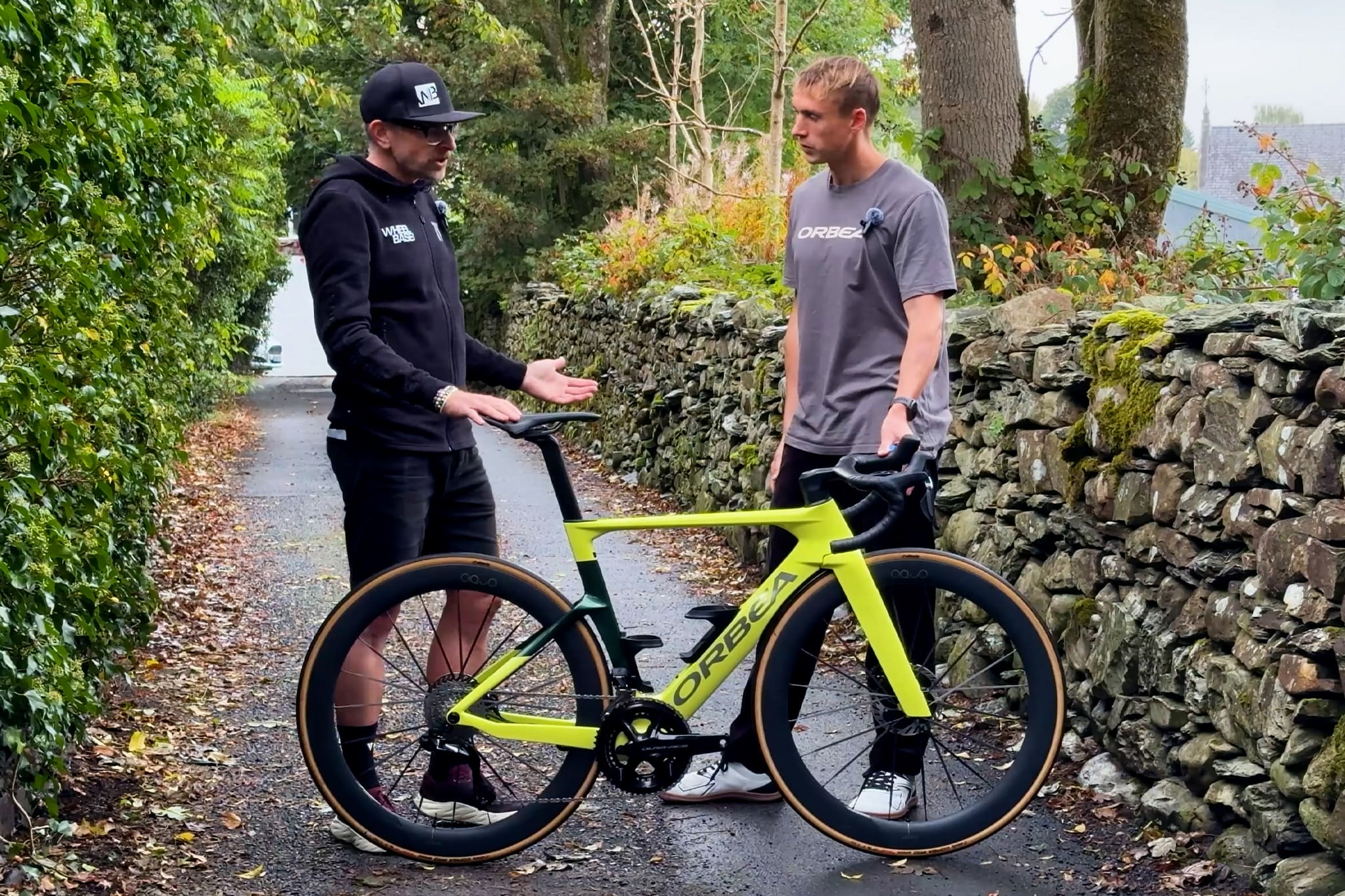
Johnny – Dom, thanks for bringing the Orca Aero, the new aero bike from Orbea. What’s the headline with this bike?
Dom – So the headline straight off the bat. I want to say that the objective for this bike was for it to not be the fastest bike in the wind tunnel. We wanted it to be the fastest bike in real-world settings. And for us, that means focusing on three main areas. The first one, of course, is the frame design. The second one involves getting a crystal ball out and looking at the future racing standards, and where the World Tour peloton is going. And then the third area is that total system approach of looking at the bike with the rider on it, and again, not just in a wind tunnel scenario. So out in the real world.
Johnny – That makes total sense. Alright, let’s talk about Aero 360°. Just please elaborate on what that means to Orbea.
Dom – So what it means for Orbea is taking a 360° approach to aerodynamics. So, taking those three points that I mentioned before and applying that to the development of this bike. Firstly, with the frame design we’ve made some minor adjustments to get this bike fastest at every other angle then just pointing straight ahead.
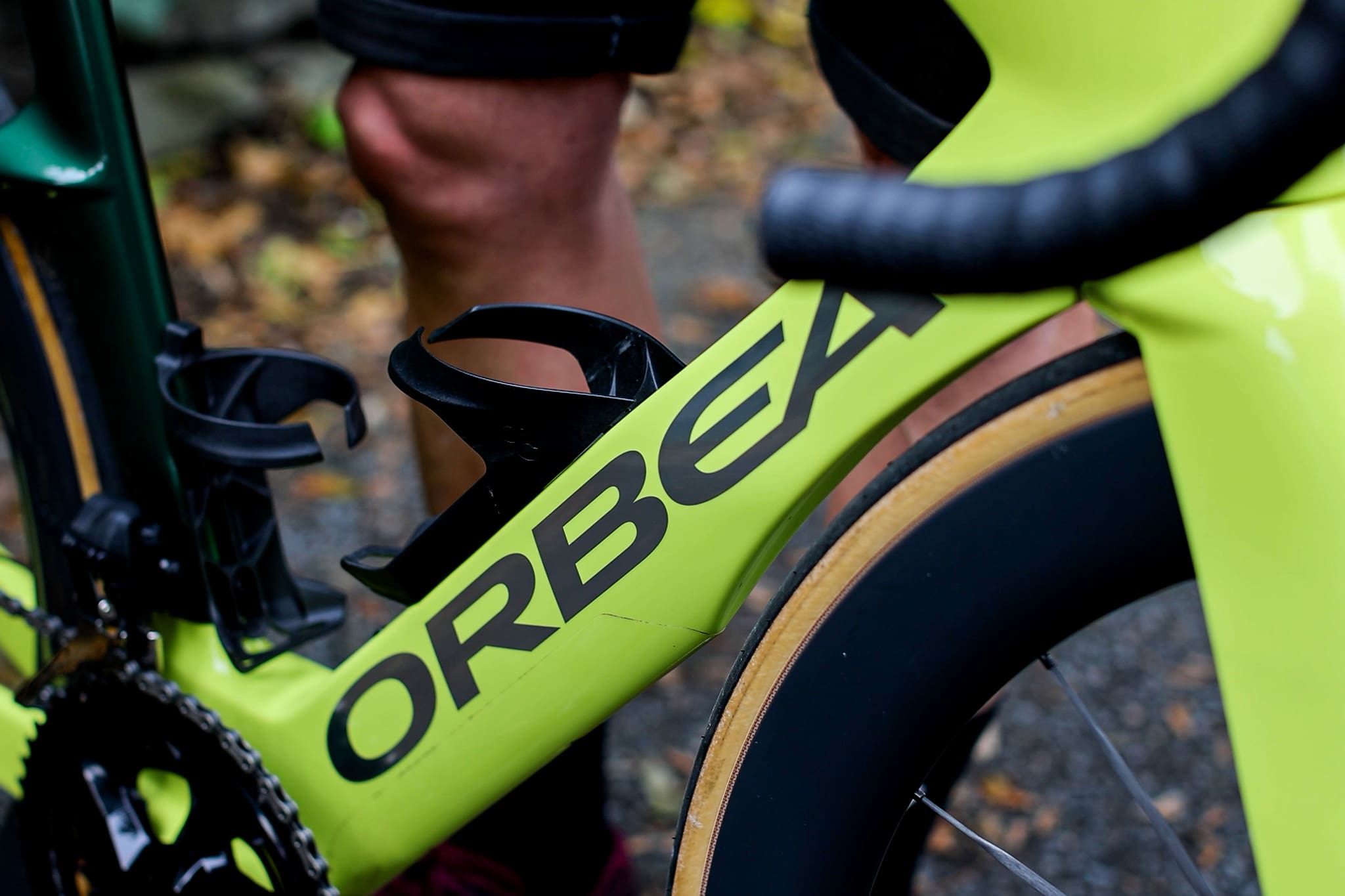
We know in the real world setting that a zero-degree angle with the bicycle heading perfectly into a headwind is near impossible. So, we’ve made some tweaks to make this bike as aerodynamic as possible at every other angle. Some of those key changes are a narrower seat post, which in fact has also given us a narrower seat tube as well. We achieved this by moving the Di2 battery from the seat tube to the bottom bracket area for improved weight distribution and aerodynamics.
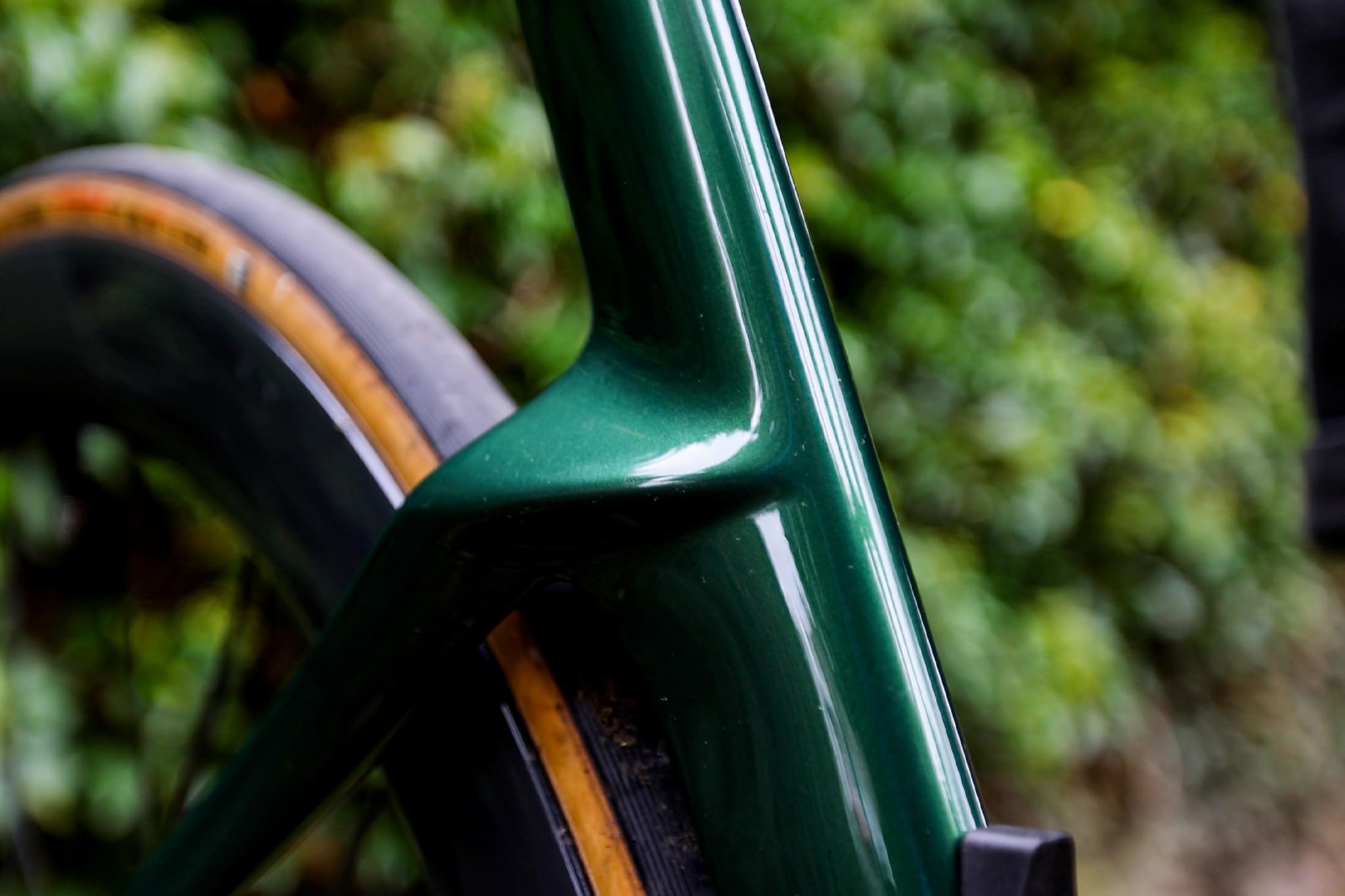
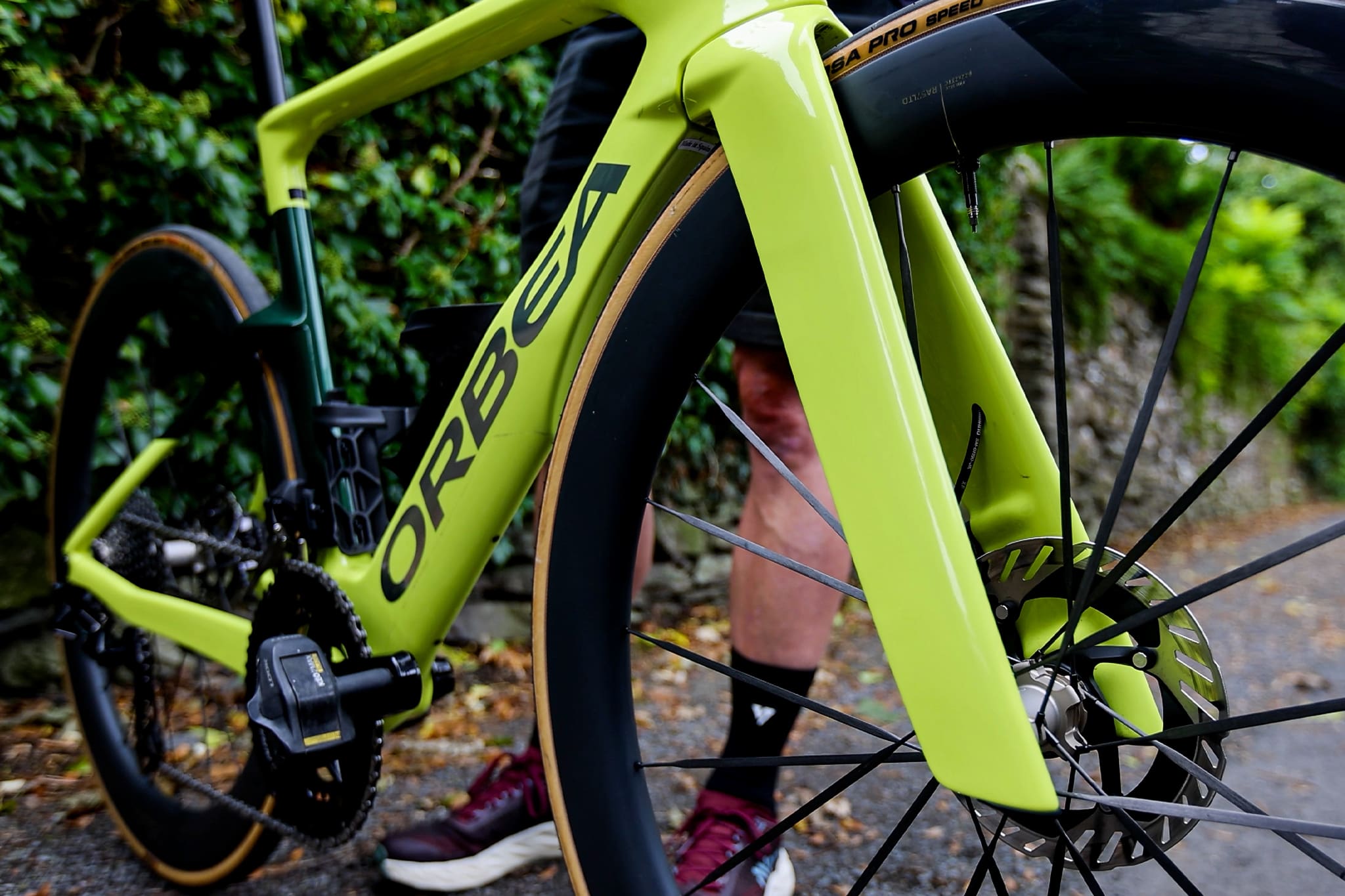
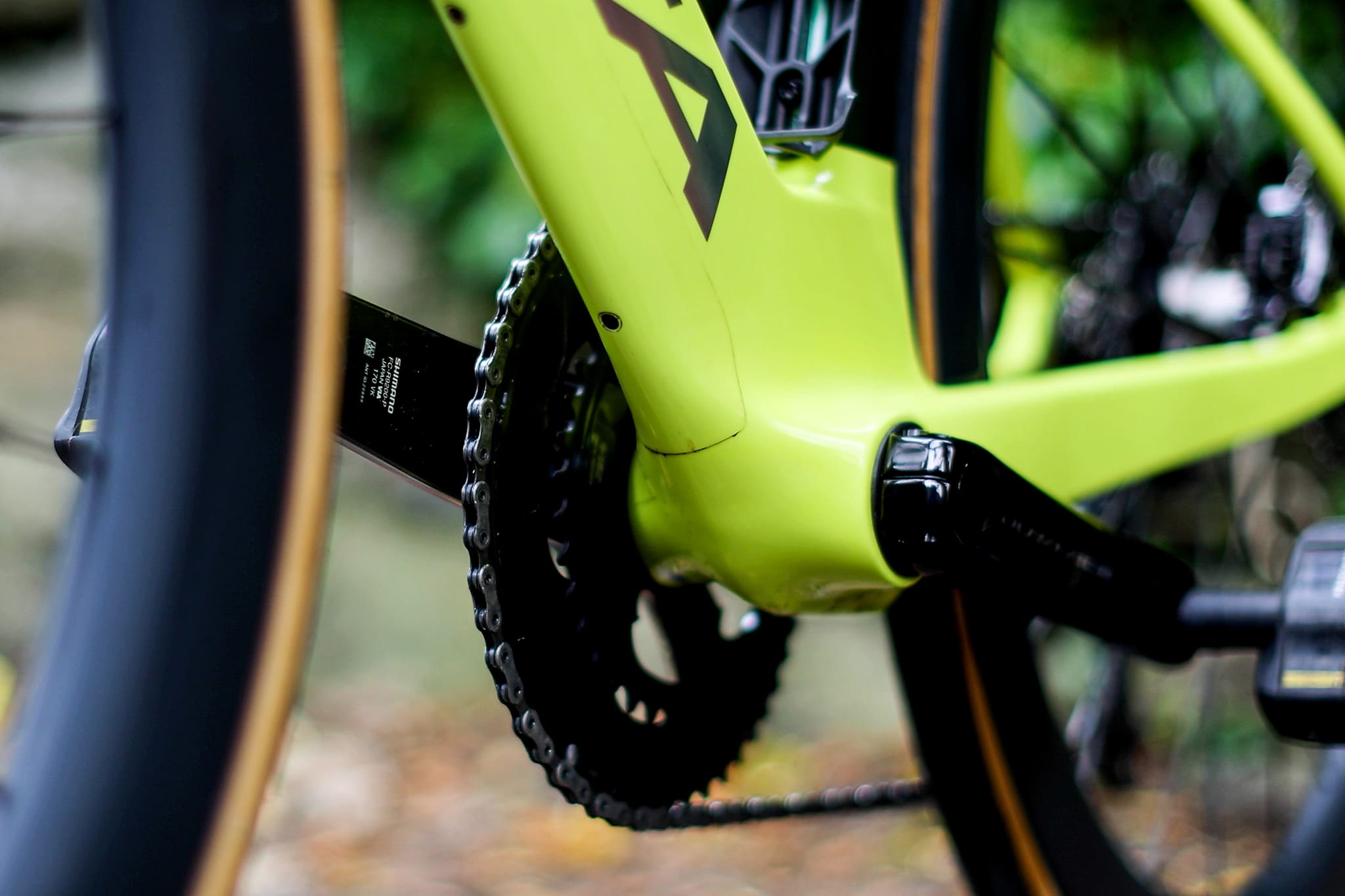
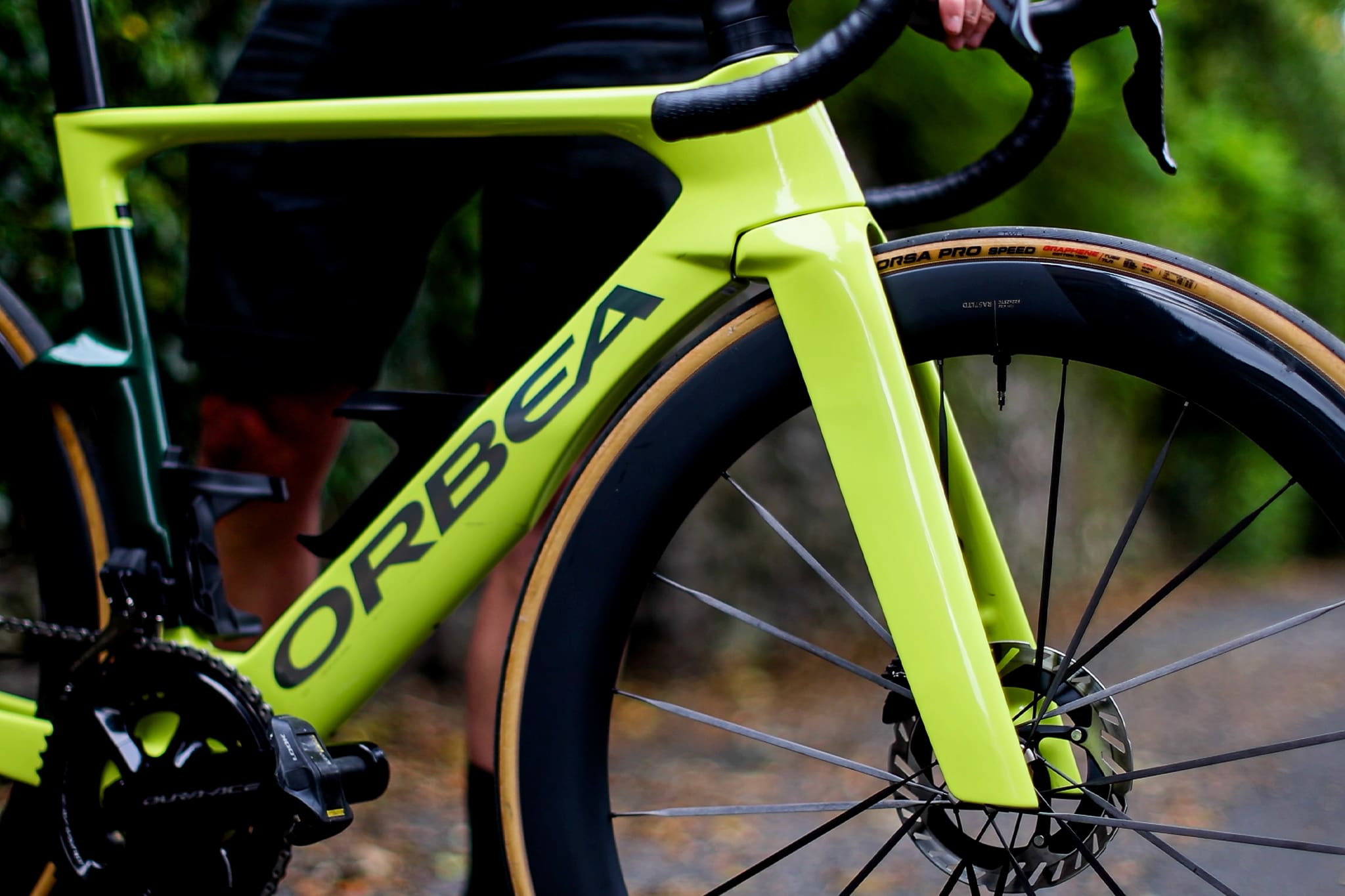
The seat post has got reduced frontal drag and it’s reversable too to allow you to fine tune your position. The front aero fork is designed to work perfectly with the design of the frame, and we’ve also introduced a BB keel, which is a keel underneath the bottom bracket, which is interesting because that doesn’t show up in wind tunnel testing and it actually took computer functional dynamics to see that there were some inefficiencies underneath.
Johnny – Wow. Okay. Brilliant. Thank you.
Dom – Focusing on bringing this bike to the market with the lowest bottom bracket drop available gives the rider three clear benefits. The first one being that it reduces the frontal drag by decreasing the overall height of the bike. Secondly the height between the rider and the ground is reduced, increasing stability, allowing riders to put a more consistent amount of power through the pedals, particularly on terrain like the Paris Roubaix or on rough UK roads. The third benefit is a tangible reduction in weight of the frame as we’re able to use less carbon material in the construction of the frame.
Johnny – Right, there’s a weight saving as well. Awesome. Sounds good. Dom, I’m super-excited to get out on the Orca Aero. If there was one thing you could pick out that I would notice the most on my first ride, what would that be?
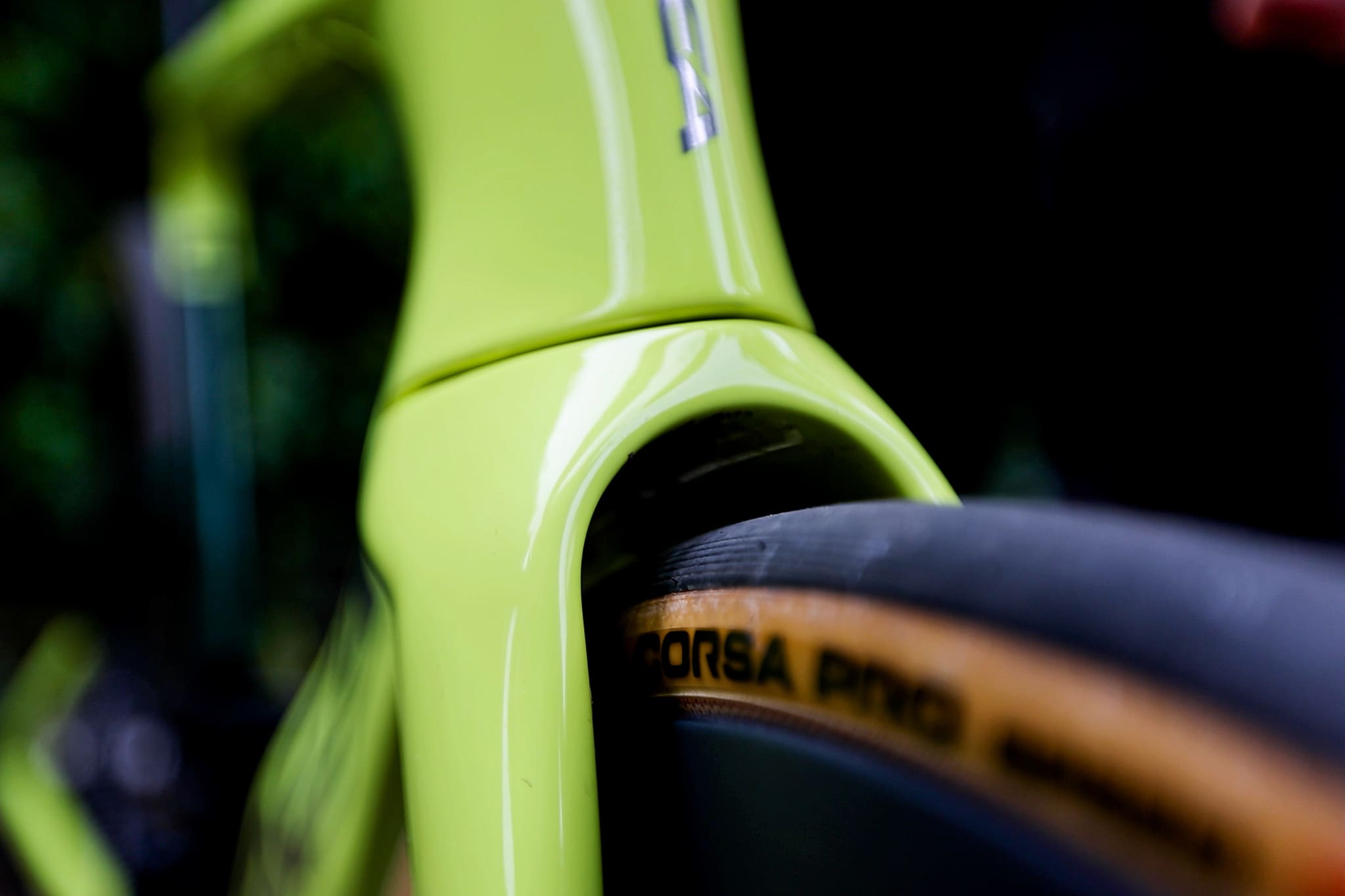
Dom – So before you even turn the pedals and you’ve swung a leg over this bike, I think you’ll really appreciate the aerodynamic tubing and the minor tweaks we’ve made to the frame design, including the fork that you’ll see is really nicely integrated into the frame design. Then when you’re riding, I think you’re really going to appreciate the handling of this bike. It rides like a gimbal. It wants to stay straight, and it wants to stay on as a straight course as possible to reap the aerodynamic benefits.
Johnny – Excellent. I’m really excited to get on the road. Thanks a lot Dom. Cheers.
First Ride Impressions
Having already heard Dom explain the thinking behind the new Orca Aero, I was keen to find out whether those real-world performance claims translated into a better ride experience. Aero bikes have traditionally asked riders to make compromises, often prioritising outright speed over comfort, stability or day-to-day usability. The Orca Aero felt different.
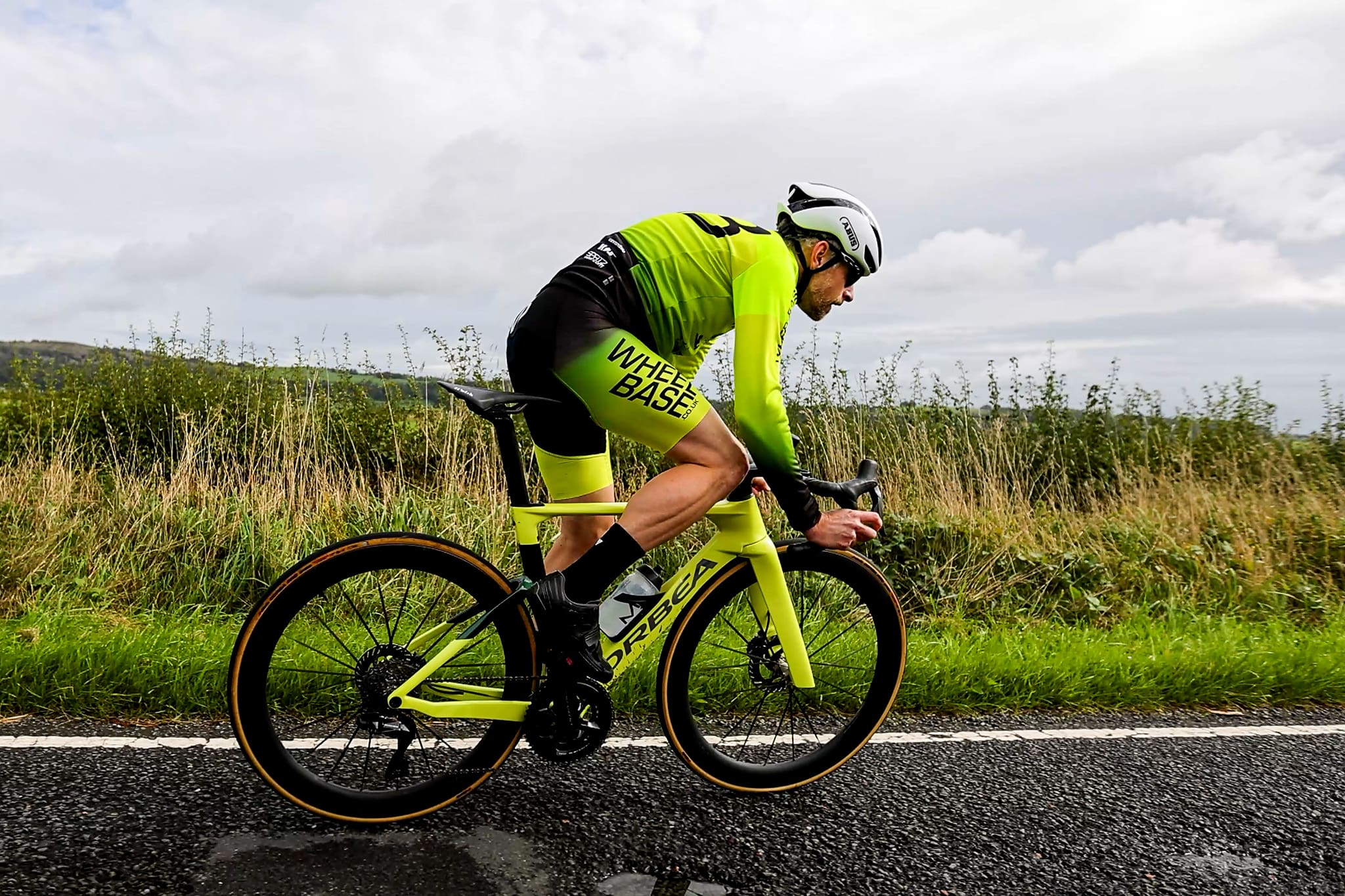
The first thing that struck me was how easy it was to ride. Despite its aggressive appearance and obvious racing pedigree, it never felt twitchy or nervous. From the first few pedal strokes I was able to settle in and focus on the road ahead rather than having to adapt to the bike itself.
What stood out even more was the sense of stability when cornering, allowing me to navigate tight technical turns with confidence. Orbea’s Aero 360° philosophy places significant emphasis on real-world speed, and part of that comes from helping the rider remain composed and efficient in changing conditions. Whether sweeping through fast corners, descending at speed on narrow roads or riding over rougher road surfaces, the Orca Aero felt remarkably planted. Rather than feeling nervous or overly reactive, it tracked confidently through turns and inspired trust when I increased the pace.
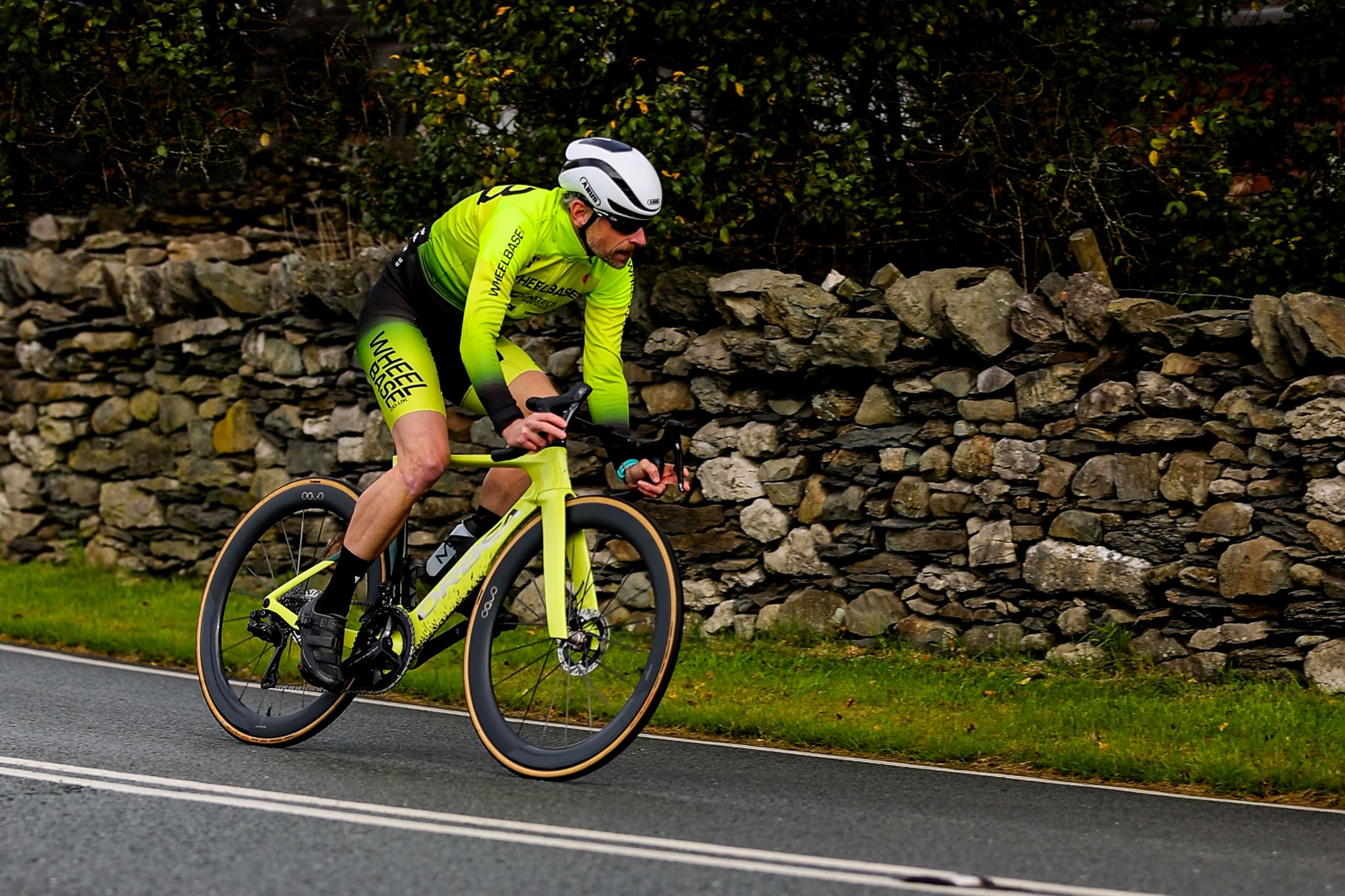
I was keen to hit the flat lands of the Lyth Valley to see just what the Orca Aero could do when it came to straight line speed. During filming for our feature video, I was required to hit as many high speed stretches of road as possible to ensure we got the footage we were after. With each long seated acceleration the bike carried momentum exceptionally well, encouraging me to keep pressing on, holding my speed for longer so we could get the shot.
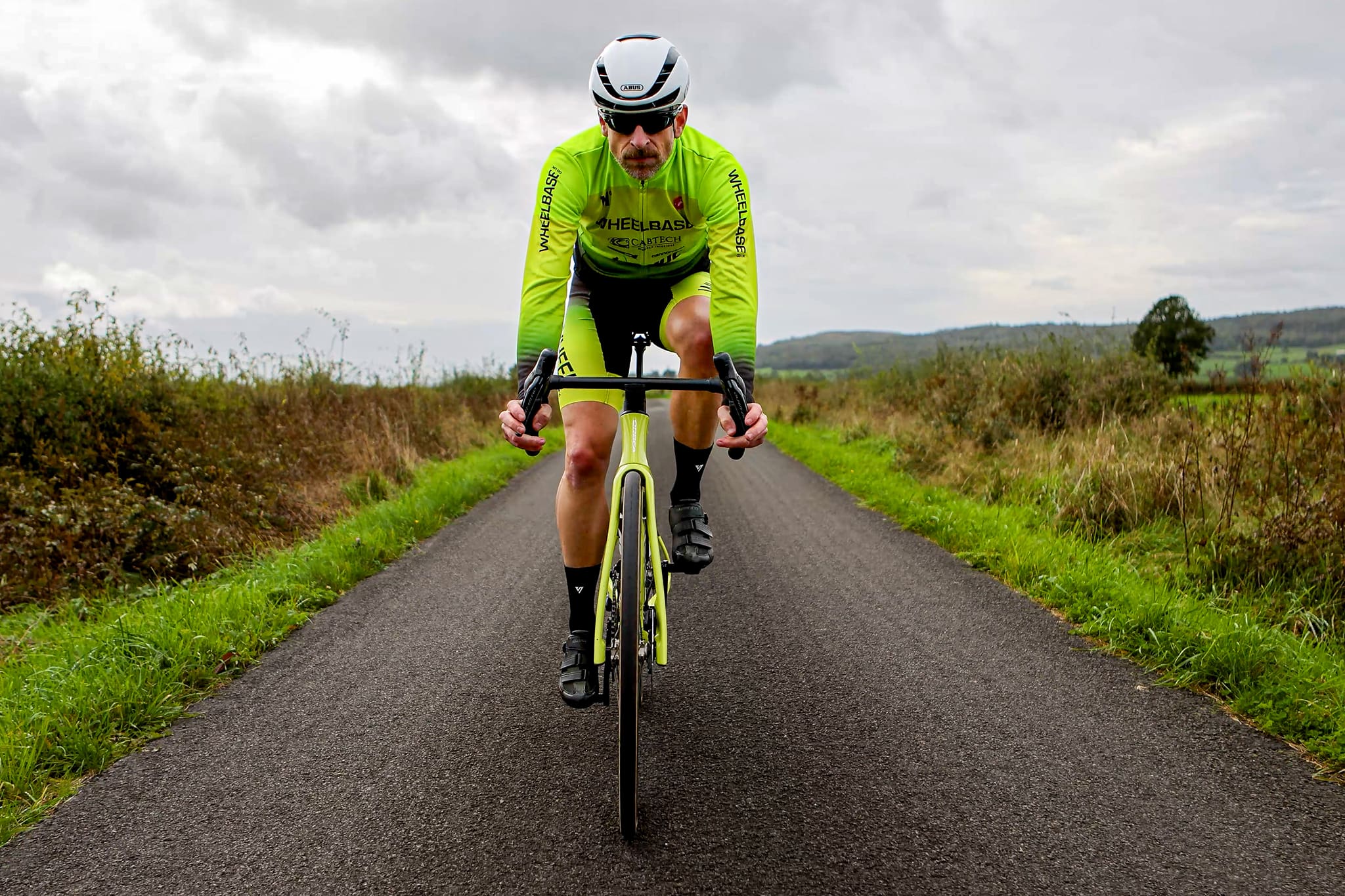
Power transfer was equally impressive. When accelerating out of corners or responding to changes in gradient, the bike reacted immediately, while avoiding the harsh ride quality often associated with high-performance aero machines. There was just enough compliance built into the chassis to take the sting out of the typically rough Lake District road surfaces, making it easier to remain comfortable and maintain power over longer distances.
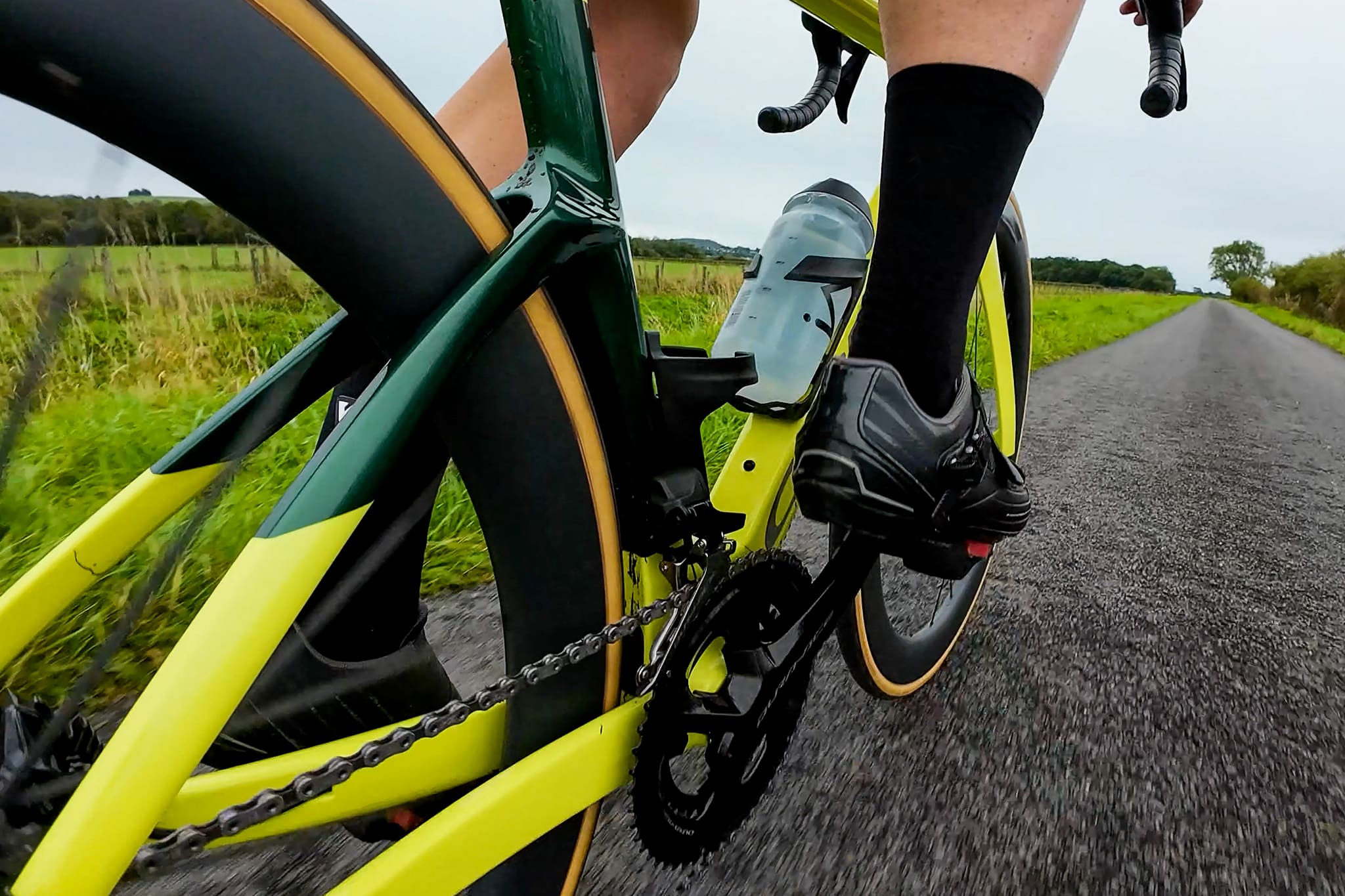
Reflecting on those first couple of rides on the Orca Aero, when I consider how it felt on a wide variety of terrain, including long flat straight roads, short sharp climbs and plenty of tight technical and narrow back lanes I have to say everything that Dom and I discussed in our initial Q&A was felt on those rides. Rather than chasing wind tunnel numbers for their own sake, Orbea have focused on creating a bike that’s faster, more stable and more efficient in the environments where real riders spend their time. It delivers the speed expected of a modern aero road bike, but does so in a way that feels balanced, confidence-inspiring and enjoyable.
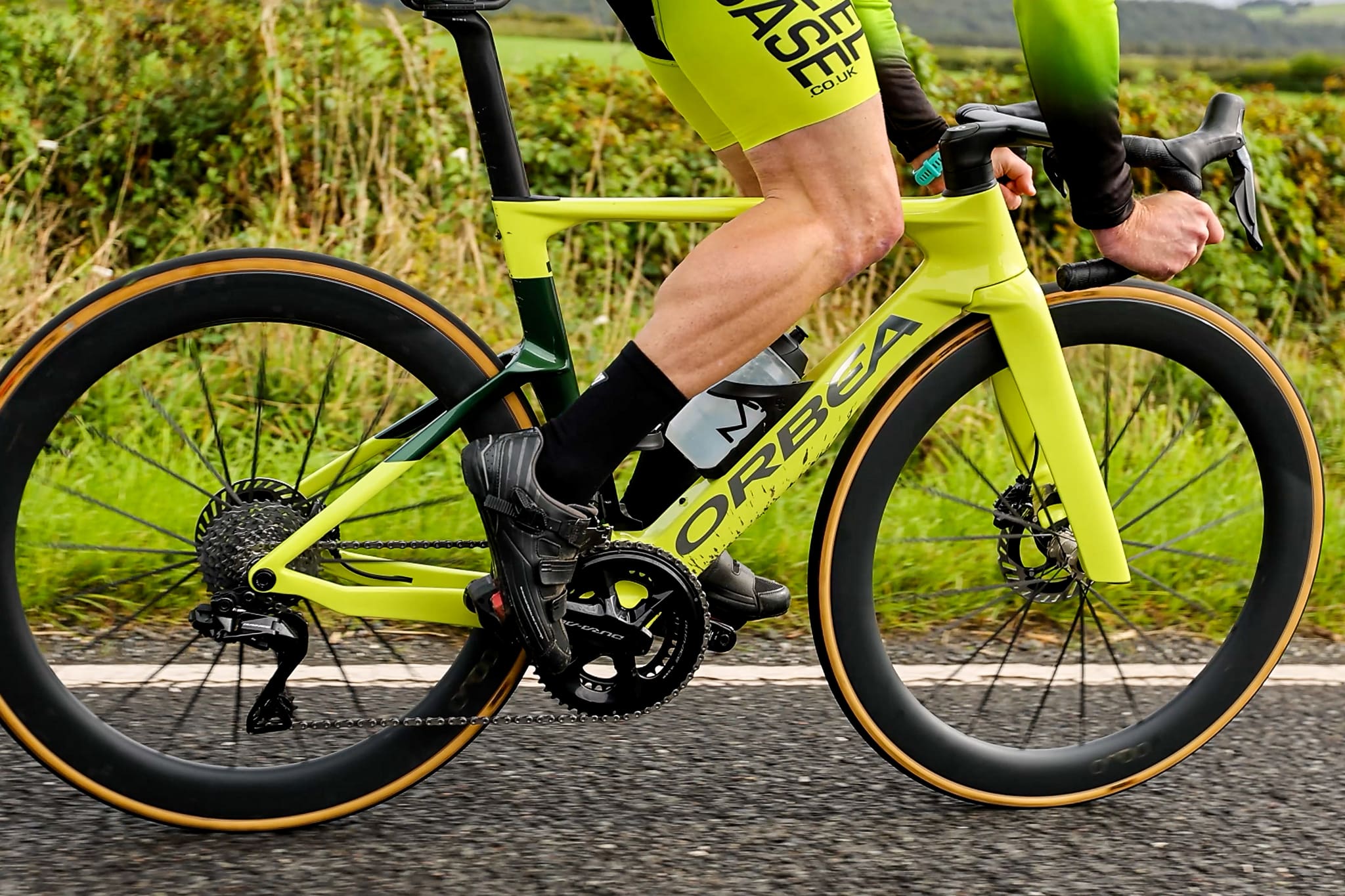
The Orbea Orca Aero is available at Wheelbase, with selected models available in-store and online now and more options coming very soon.
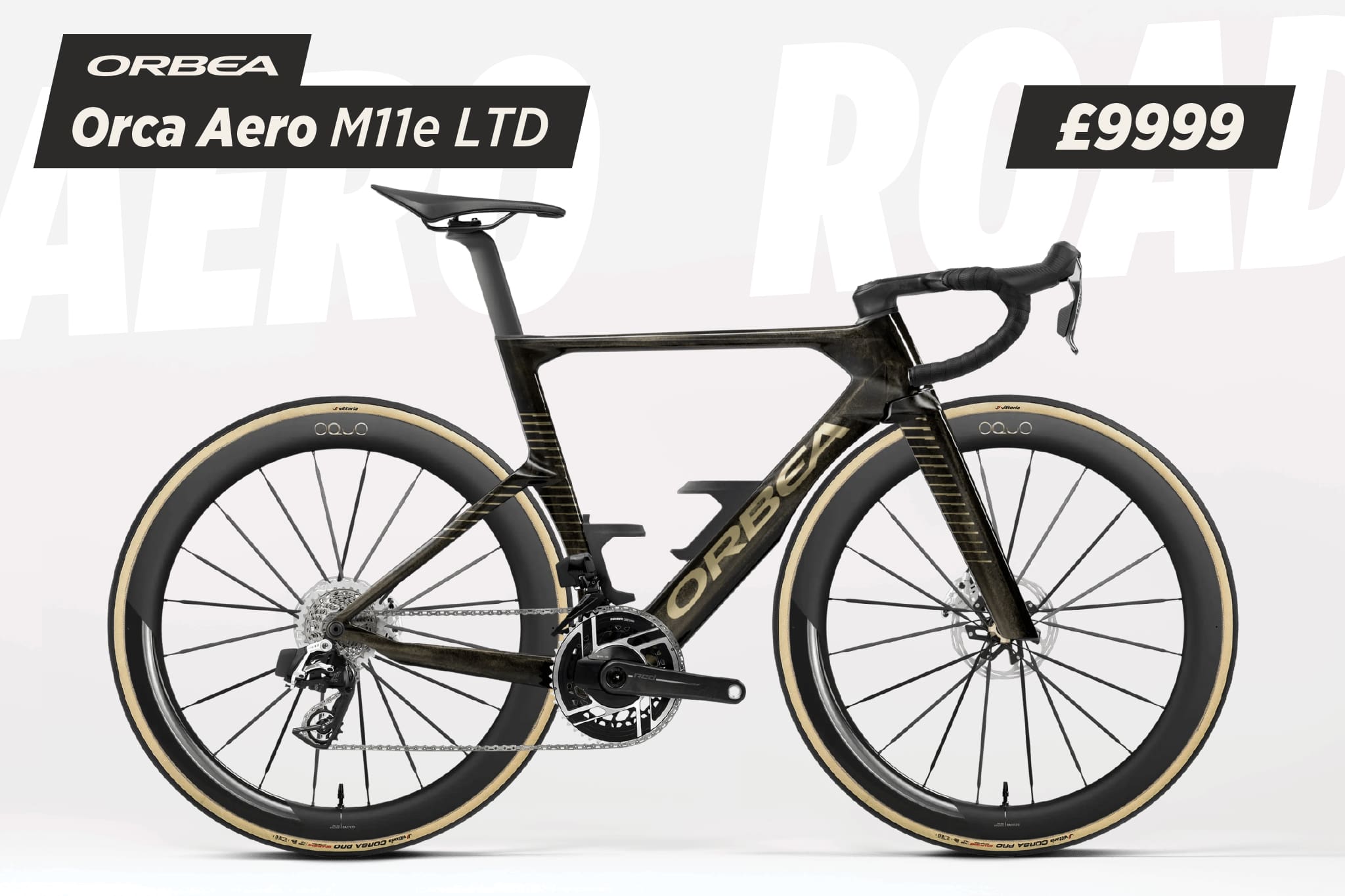
Orbea Orca Aero M11 LTd £9,999