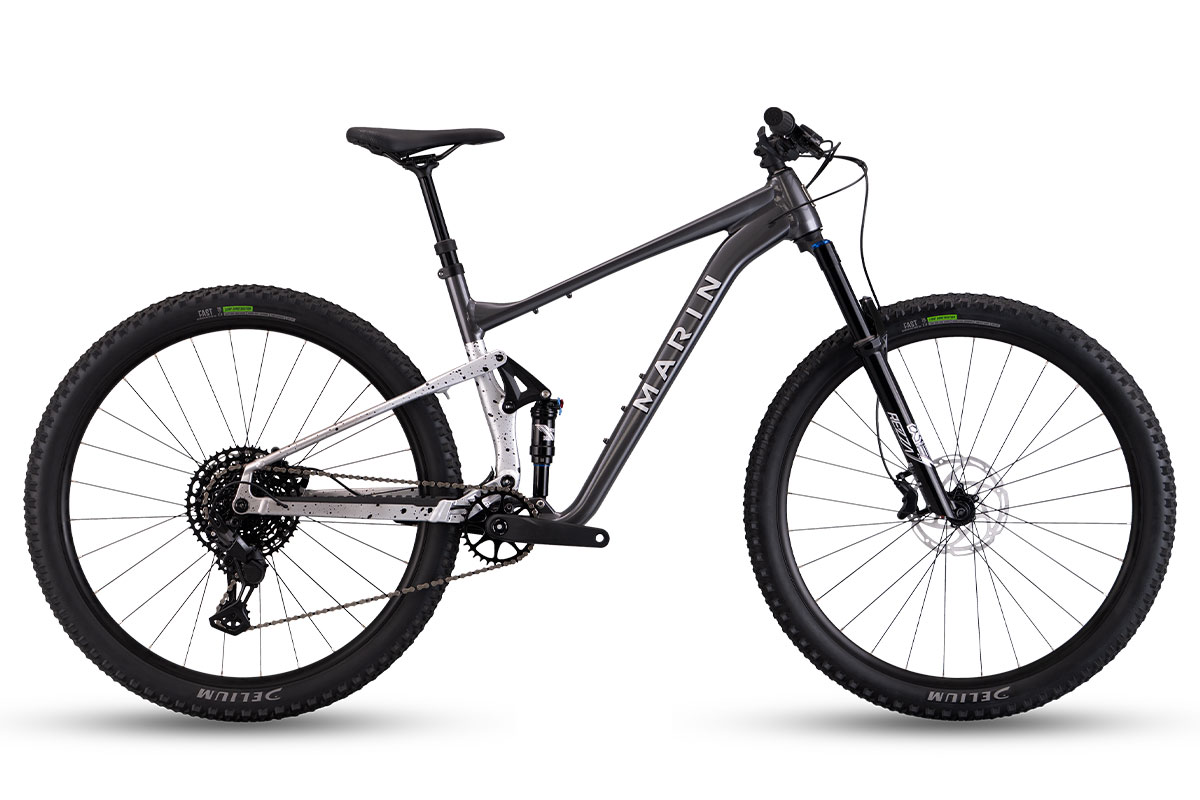
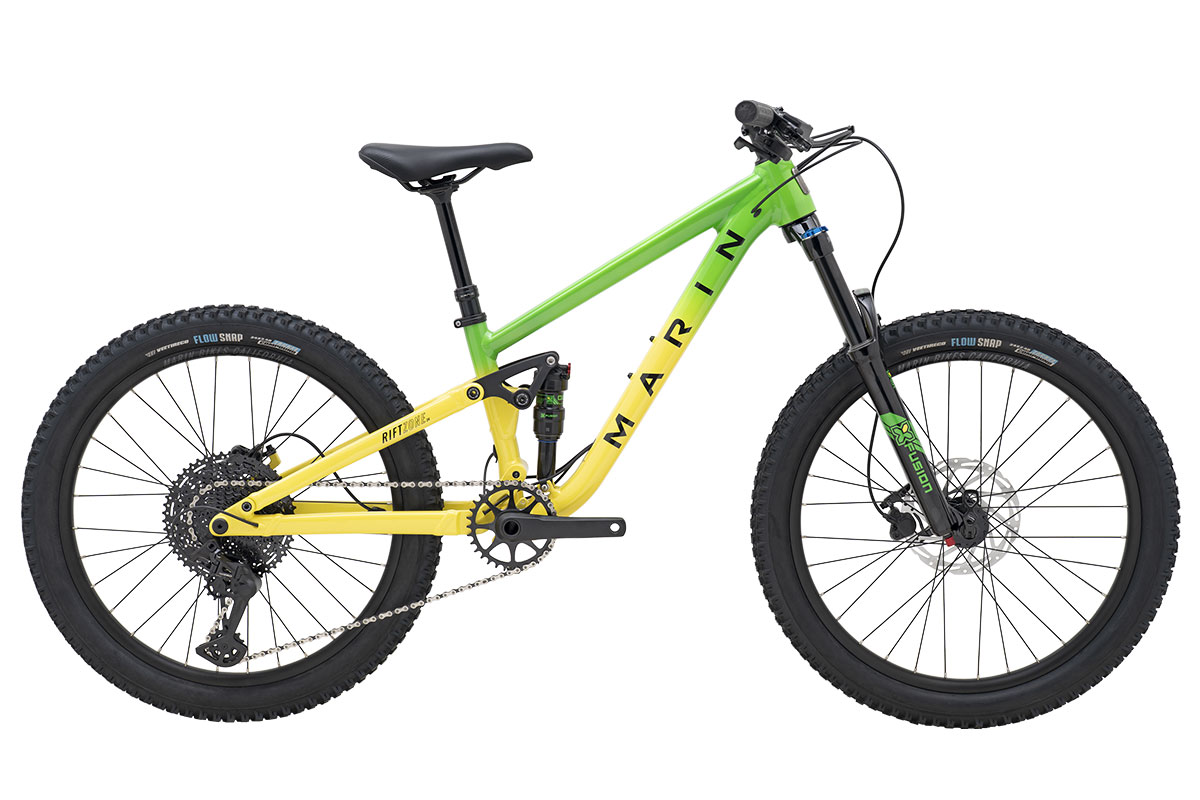
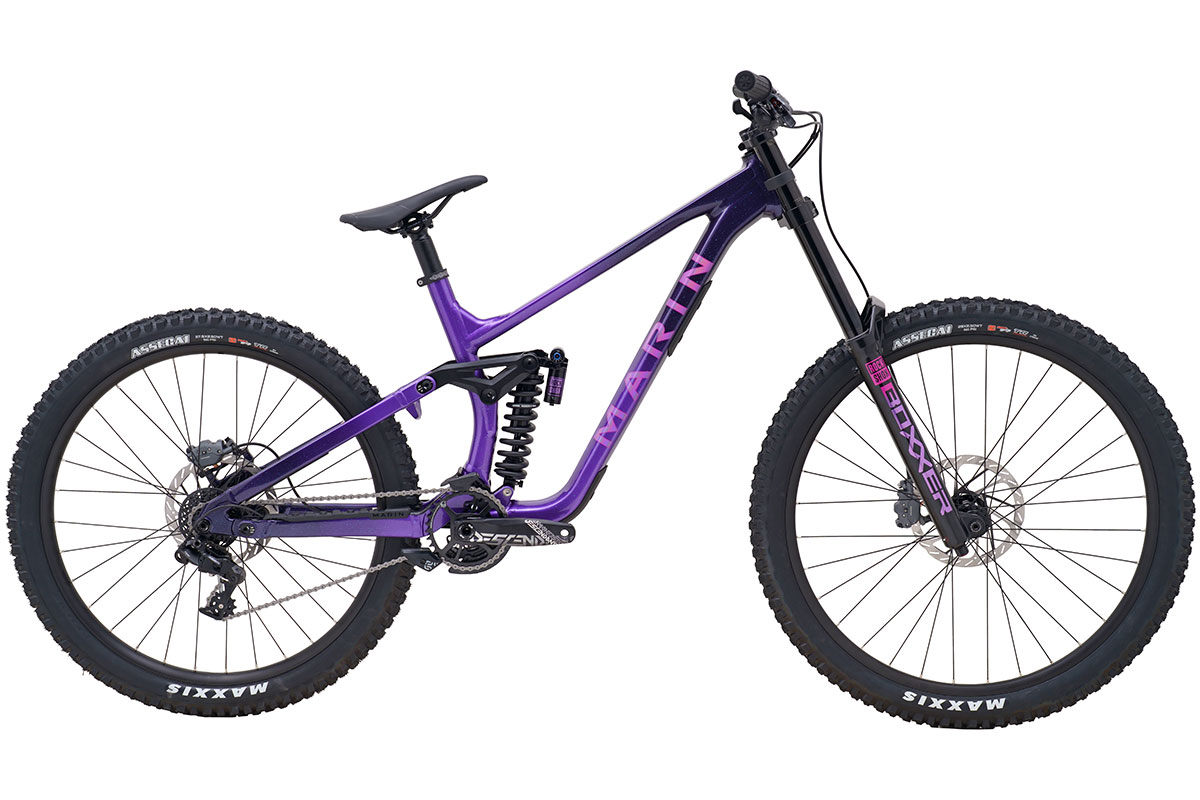
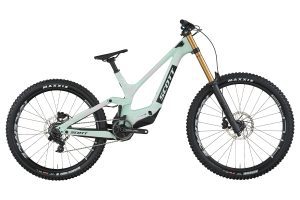
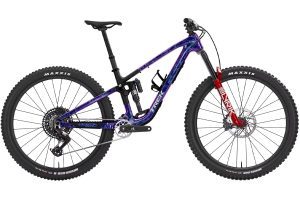
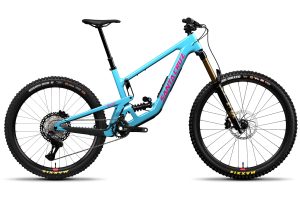
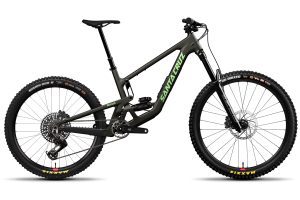
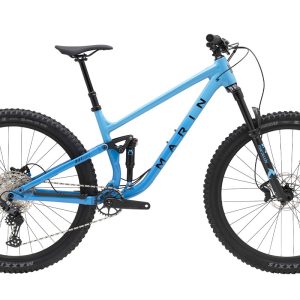
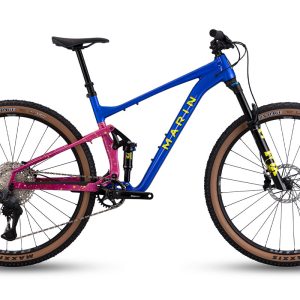
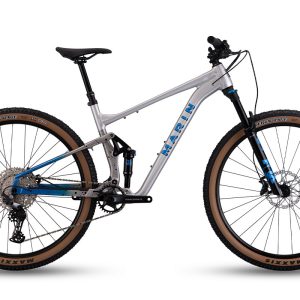
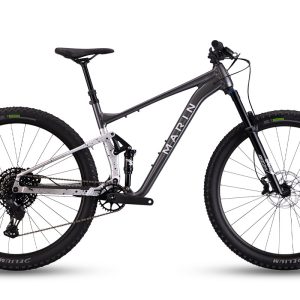
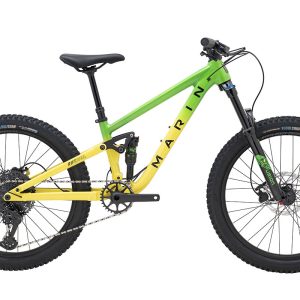
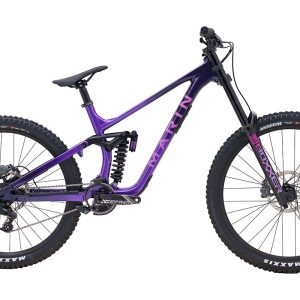
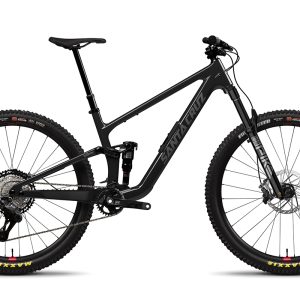
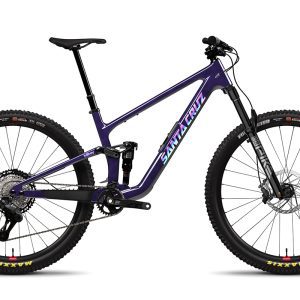
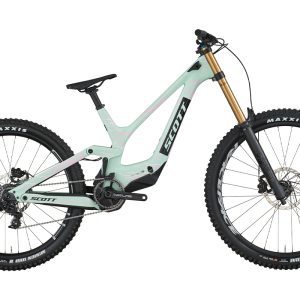
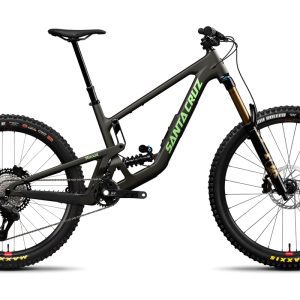
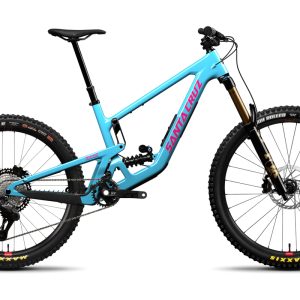
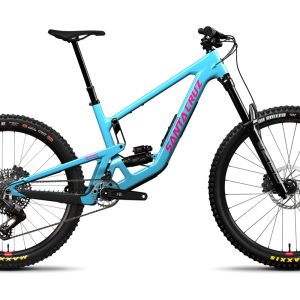
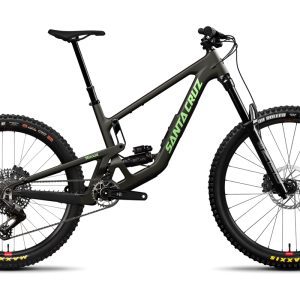
From fast cross-country and trail bikes to long-travel enduro and downhill MTBs, our range covers every type of off-road riding.
Full suspension mountain bikes use front and rear suspension to improve traction, control and comfort across rough and technical terrain. Choose from a wide range of suspension travel, wheel sizes, frame materials and specifications to suit your riding style.
Not sure which type of mountain bike is right for you? Explore our Hardtail Mountain Bikes or shop all Mountain Bikes, and our team can also help with sizing and bike choice online or in store.
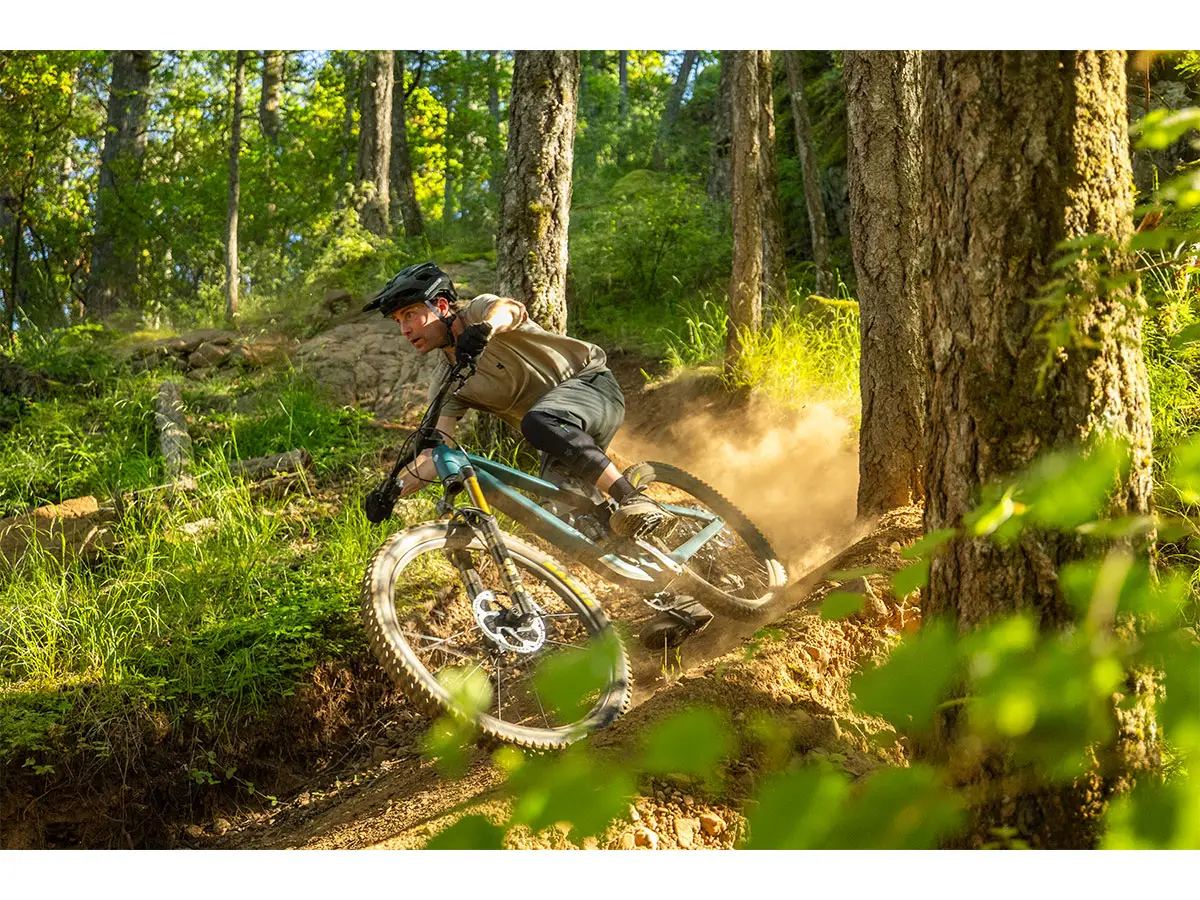
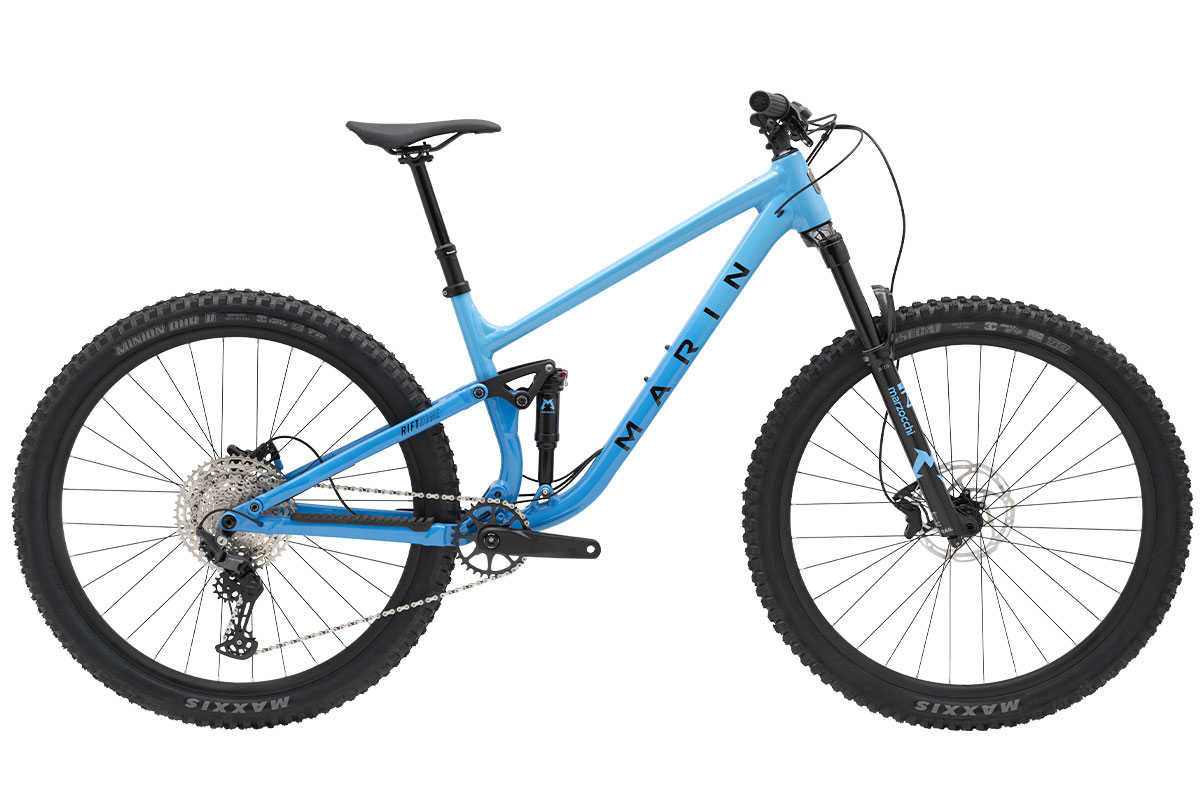
Full suspension mountain bikes feature suspension at both the front and rear of the bike, helping the wheels maintain traction over rough and technical terrain. Compared with a hardtail, the additional rear suspension can provide greater control, comfort and confidence when riding rocks, roots, drops and more challenging trails.
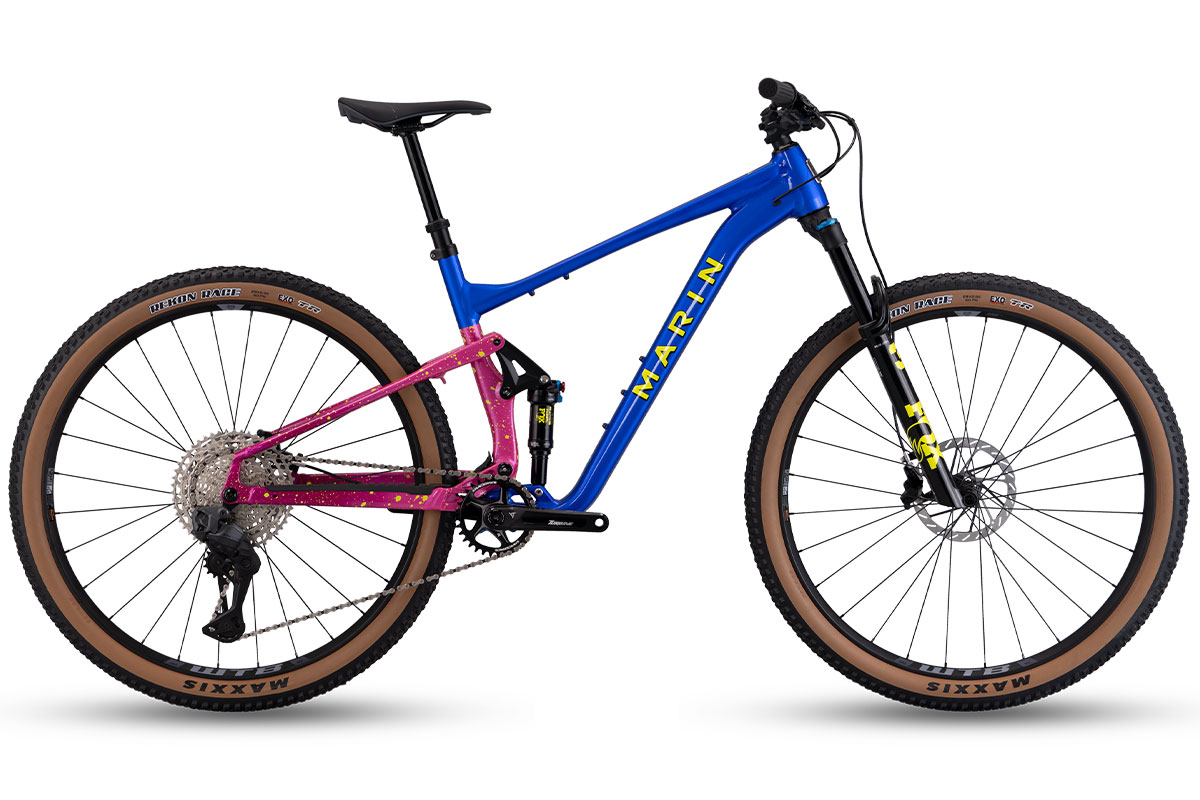
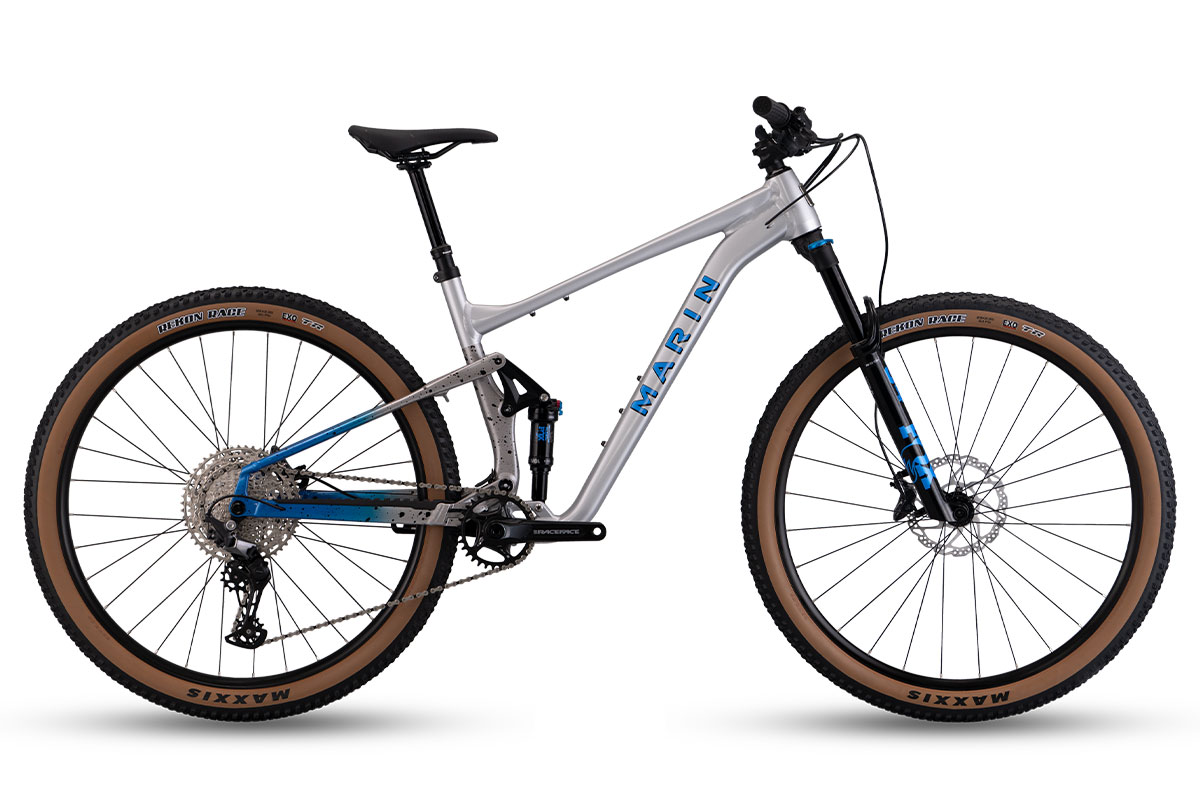
Full suspension bikes are available for a wide range of riding styles, from lightweight cross-country bikes through to versatile trail bikes, longer-travel enduro bikes and downhill machines. The right choice will depend on where you ride, the terrain you tackle and how much suspension travel you need.
What is the difference between a hardtail and full suspension mountain bike?
A hardtail mountain bike has suspension at the front but a rigid rear frame, while a full suspension mountain bike uses both front and rear suspension.
Hardtails are generally lighter, simpler and more affordable, making them a great choice for less technical trails, cross-country riding and riders getting into mountain biking. Full suspension bikes offer greater traction, control and comfort on rougher terrain and are usually better suited to technical trail, enduro and downhill riding.
Suspension travel should match the type of terrain you ride most often. As a general guide:
100–120mm: Cross-country riding where low weight and efficient climbing are priorities. 120–150mm: Trail riding and a great all-round choice for typical UK mountain biking. 150–170mm: Enduro and more aggressive riding on steep, technical terrain. 170mm+: Downhill and bike-park riding where maximum capability on descents is the priority.
More travel isn’t automatically better. Longer-travel bikes can handle rougher terrain, but shorter-travel bikes will often feel faster and more efficient on smoother trails and climbs.
What type of full suspension mountain bike should I choose?
For fast riding, climbing and covering distance, look at a cross-country full suspension bike. For a versatile bike capable of tackling a mixture of climbs, descents and technical UK trails, a trail bike is often the best choice.
An enduro bike provides more suspension travel and descending capability for riders tackling steeper and rougher terrain, while a downhill bike is designed primarily for gravity riding, uplift days and bike parks.
For most riders who want one full suspension mountain bike to do a bit of everything, a modern trail bike is a good place to start.
What wheel size should I choose?
Most modern full suspension mountain bikes use 29-inch wheels, which roll efficiently over rough ground and provide excellent grip and stability.
27.5-inch wheels can provide a more agile and playful feel, while some bikes use a mixed-wheel or mullet setup, combining a 29-inch front wheel with a 27.5-inch rear.
The best choice depends on the bike’s intended use, your height and the way you like to ride rather than wheel size alone.
How much should I spend on a full suspension mountain bike?
Your budget should reflect how and where you plan to ride. Spending more generally brings improvements such as lighter frames, more sophisticated suspension, stronger brakes, better drivetrains and higher-quality wheels.
Rather than choosing on price alone, look for a bike with the right geometry, suspension travel and specification for your riding. A well-chosen trail bike at the right level for you is usually a better purchase than paying more for a bike designed for terrain you rarely ride.
Should I choose a full suspension or electric mountain bike?
A conventional full suspension mountain bike is generally lighter and provides a more natural, responsive ride, while an electric mountain bike uses motor assistance to make climbing easier and help you cover more distance.
An e-MTB can be particularly useful for riders wanting to fit more descents into a ride, tackle longer routes or reduce the effort required on steep climbs. If motor assistance appeals to you, explore our Electric Mountain Bikes.
How do I choose the right size full suspension mountain bike?
Start with the manufacturer’s recommended size for your height, but also consider reach, riding position and how you want the bike to handle.
A slightly smaller bike can feel more agile, while a larger bike can offer greater stability. Sizing also varies between brands and models, so don’t assume you’ll always need the same frame size.
If you’re unsure which size is right for you, our team is always happy to help. Alternatively, every bike product page features our SmartFit sizing tool. Simply enter a few measurements and SmartFit will recommend a suitable size for the bike you’re viewing, using sizing and geometry data provided by the brand. It’s a great place to start if you’re unsure which frame size to choose.
Why buy a full suspension mountain bike from WHEELBASE?
WHEELBASE offers full suspension mountain bikes from leading MTB brands, with options for everything from cross-country and trail riding to enduro and downhill.
Our experienced team can help with bike selection, sizing and setup, whether you’re buying online or visiting us in store. You’ll also have access to our workshop expertise and ongoing support after you’ve bought your bike.